Whether you're a weekend warrior hitting the trails around Bloomsburg or a dedicated athlete training for competition, the key to long-term athletic success lies not in treating injuries after they occur, but in preventing sports injuries before they start. This proactive approach can save you months of recovery time, countless healthcare expenses, and the frustration of being sidelined from activities you love.
The reality is that many sports injuries are entirely preventable with the right knowledge and consistent application of proven strategies. By understanding your body's needs, implementing proper preparation techniques, and recognizing early warning signs, you can significantly reduce your risk of injury while maximizing your athletic performance.
Understanding the Foundation of Injury Prevention
Preventing sports injuries before they start requires a comprehensive understanding of how injuries typically develop. Most sports injuries don't happen suddenly out of nowhere – they're often the result of cumulative stress, poor preparation, or underlying imbalances that have gone unaddressed.
The most common sports injuries include sprains, strains, tendonitis, stress fractures, and overuse injuries. These typically occur when tissues are subjected to forces they're not prepared to handle, whether that's due to inadequate conditioning, poor biomechanics, or insufficient recovery time between activities.
Your body's kinetic chain – the interconnected system of muscles, joints, and fascia that work together during movement – plays a crucial role in injury prevention. When one part of this chain isn't functioning optimally, other areas must compensate, often leading to overuse and eventual injury. For example, tight hip flexors can alter your running gait, placing excessive stress on your knees and potentially leading to patellofemoral pain syndrome.
Many Bloomsburg residents make the mistake of thinking that being "tough" means pushing through pain or discomfort. However, pain is your body's warning system, and ignoring these signals often leads to more serious injuries that could have been prevented with early intervention.
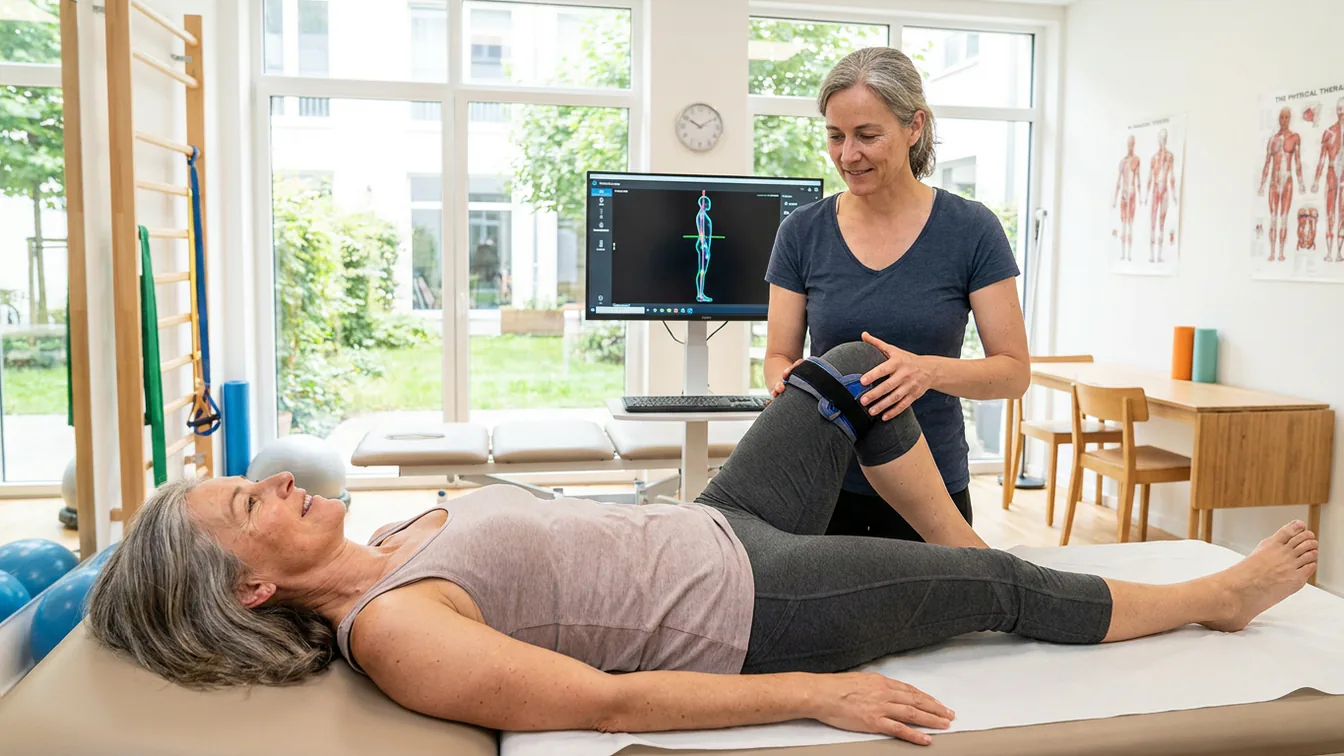
Proper biomechanics form the foundation of injury prevention. When your body moves efficiently and in proper alignment, forces are distributed evenly across muscles and joints, reducing the risk of overload injuries. This is where professional assessment becomes invaluable – a trained eye can identify movement patterns that may predispose you to injury long before symptoms develop.
Essential Pre-Activity Preparation Strategies
The preparation you do before engaging in sports or exercise activities is perhaps the most critical factor in preventing sports injuries before they start. This preparation extends far beyond a quick warm-up and encompasses several key components that work together to prepare your body for optimal performance.
A proper warm-up should be dynamic and sport-specific, gradually increasing your heart rate, core body temperature, and joint mobility. Static stretching before activity has fallen out of favor among sports medicine professionals because it can actually decrease power output and may increase injury risk. Instead, focus on dynamic movements that mimic the patterns you'll use during your activity.
For runners in Bloomsburg, this might include leg swings, high knees, butt kicks, and walking lunges. Basketball players should incorporate lateral movements, jumping patterns, and rotational exercises. The key is to progressively increase the intensity and range of motion while activating the specific muscle groups you'll be using.
Strength training plays a vital role in injury prevention by ensuring your muscles can handle the demands of your chosen activities. However, many athletes focus solely on their primary movers while neglecting stabilizing muscles and antagonist groups. A comprehensive strength program should address all planes of movement and include exercises that challenge your balance and proprioception.
Core stability deserves special attention, as it provides the foundation for all athletic movement. Your core includes not just your abdominal muscles, but also your diaphragm, pelvic floor, and deep spinal stabilizers. A strong, stable core helps maintain proper posture and alignment during activity, reducing the risk of both acute injuries and overuse conditions.
Flexibility and mobility work should be ongoing components of your training regimen, not afterthoughts. Regular stretching and foam rolling help maintain optimal tissue length and quality, ensuring joints can move through their full range of motion without restriction. Pay particular attention to areas that tend to become tight based on your activities and lifestyle – hip flexors and shoulders are common problem areas for many Pennsylvania residents who spend long hours sitting at desks.
Recognizing and Addressing Risk Factors
Preventing sports injuries before they start requires honest assessment of your individual risk factors and taking appropriate steps to address them. These risk factors can be broadly categorized into intrinsic factors (those related to your body and current condition) and extrinsic factors (environmental and equipment-related factors).
Intrinsic risk factors include previous injuries, muscle imbalances, poor conditioning, inadequate flexibility, and biomechanical abnormalities. If you've had injuries in the past, you're at higher risk for re-injury, especially if the underlying cause wasn't properly addressed. This is why comprehensive rehabilitation that goes beyond pain relief is so important.
Muscle imbalances are extremely common and often develop gradually due to repetitive movement patterns, poor posture, or incomplete recovery from previous injuries. For example, many runners develop tight hip flexors and weak glutes, which can lead to IT band syndrome, patellofemoral pain, or lower back problems. Identifying and correcting these imbalances early is crucial for long-term athletic success.
Your training load and progression rate significantly impact injury risk. The "10% rule" suggests increasing training volume by no more than 10% per week, though individual factors may require more conservative progressions. Sudden spikes in activity level – like deciding to run a 10K after months of inactivity – are major risk factors for injury.
Extrinsic factors include equipment, playing surfaces, and environmental conditions. Worn-out running shoes, improperly fitted equipment, or playing on uneven surfaces all increase injury risk. Here in Bloomsburg, seasonal changes can also impact injury risk – transitioning from indoor winter activities to outdoor spring sports requires careful attention to surface changes and activity modifications.
Sleep and nutrition play often-overlooked roles in injury prevention. Inadequate sleep impairs reaction time, decision-making, and tissue recovery, while poor nutrition can lead to fatigue and delayed healing. Hydration is particularly important, as even mild dehydration can increase injury risk by affecting muscle function and coordination.
Stress, both physical and emotional, can significantly impact injury risk. Chronic stress elevates cortisol levels, which can impair tissue healing and increase inflammation. Learning effective stress management techniques and ensuring adequate recovery time between training sessions is essential for preventing sports injuries before they start.
Building Long-Term Athletic Resilience
True injury prevention goes beyond addressing immediate risk factors – it involves building long-term resilience that allows your body to adapt and thrive under athletic demands. This approach recognizes that preventing sports injuries before they start is an ongoing process that evolves with your changing needs and goals.
Periodization is a concept borrowed from elite athletics that can benefit recreational athletes as well. Rather than maintaining the same training intensity year-round, periodization involves planned variations in training load, allowing for adequate recovery while progressively building fitness. This approach helps prevent overuse injuries while optimizing performance gains.
Cross-training is another powerful tool for building resilience while reducing injury risk. By participating in different activities, you develop a broader base of fitness while giving specific muscle groups and movement patterns time to recover. A runner might incorporate swimming, cycling, or yoga into their routine, while a tennis player might benefit from strength training and pilates.
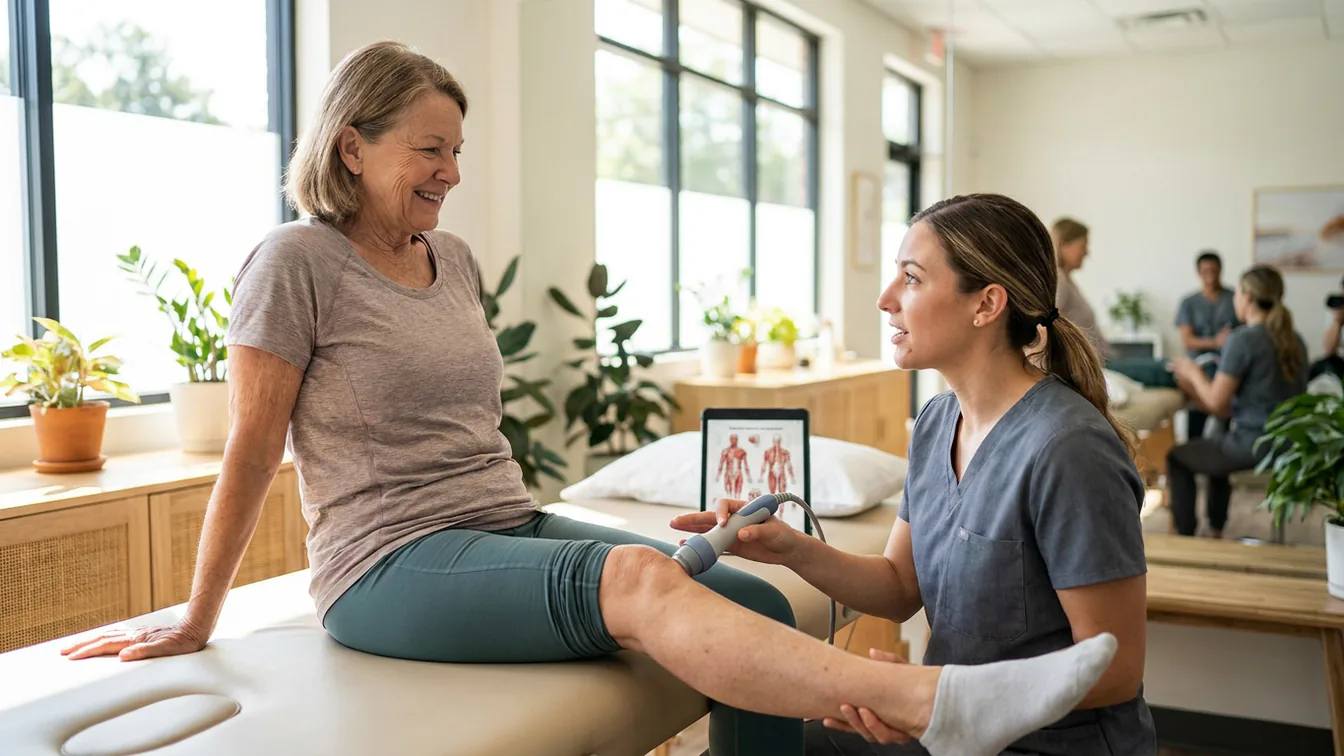
Regular movement assessments can identify developing problems before they become painful injuries. Many healthcare providers, including chiropractors, offer movement screenings that can reveal asymmetries, restrictions, or compensations that may predispose you to injury. Addressing these issues early is far more effective than waiting until pain develops.
Listening to your body becomes increasingly important as you develop athletic experience. Learning to distinguish between normal training discomfort and potentially problematic pain is a skill that develops over time. When in doubt, it's better to take a day off or modify your activity rather than push through questionable symptoms.
Recovery should be viewed as an active component of your training program, not just time off. This includes adequate sleep, proper nutrition, hydration, and techniques like foam rolling, stretching, or massage. Some athletes benefit from more advanced recovery modalities, but the basics of sleep and nutrition often provide the greatest return on investment.
Maintaining realistic expectations and goals helps prevent the overuse injuries that often result from trying to do too much too soon. Your body needs time to adapt to increasing demands, and respecting this process is crucial for preventing sports injuries before they start.
Preventing sports injuries requires a comprehensive, proactive approach that addresses preparation, risk factors, and long-term resilience. By implementing these strategies consistently and seeking professional guidance when needed, you can stay active and healthy for years to come. If you're experiencing pain or want to optimize your injury prevention strategy, consider consulting with the experienced team at Maloney Chiropractic, located at 1924 Old Berwick Rd, Bloomsburg, PA 17815. Professional assessment and personalized guidance can help you identify specific areas for improvement and develop a plan that keeps you performing at your best.