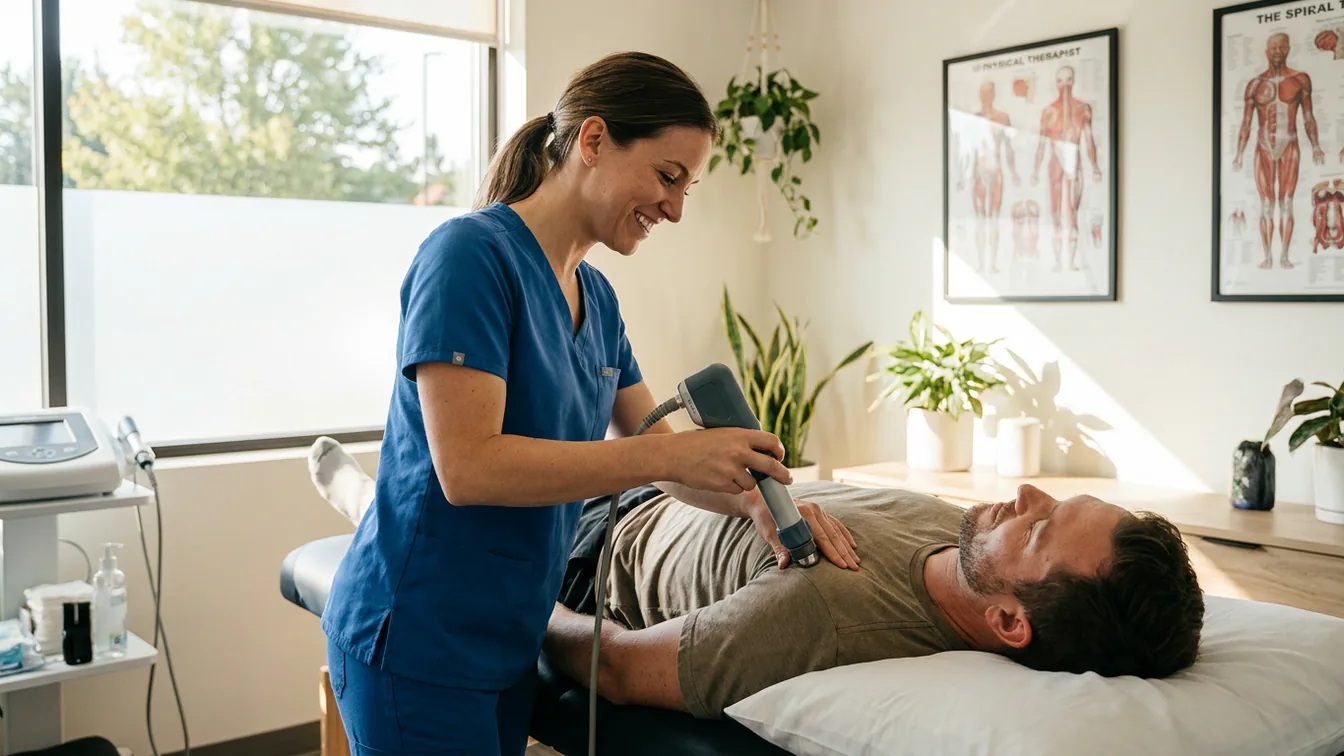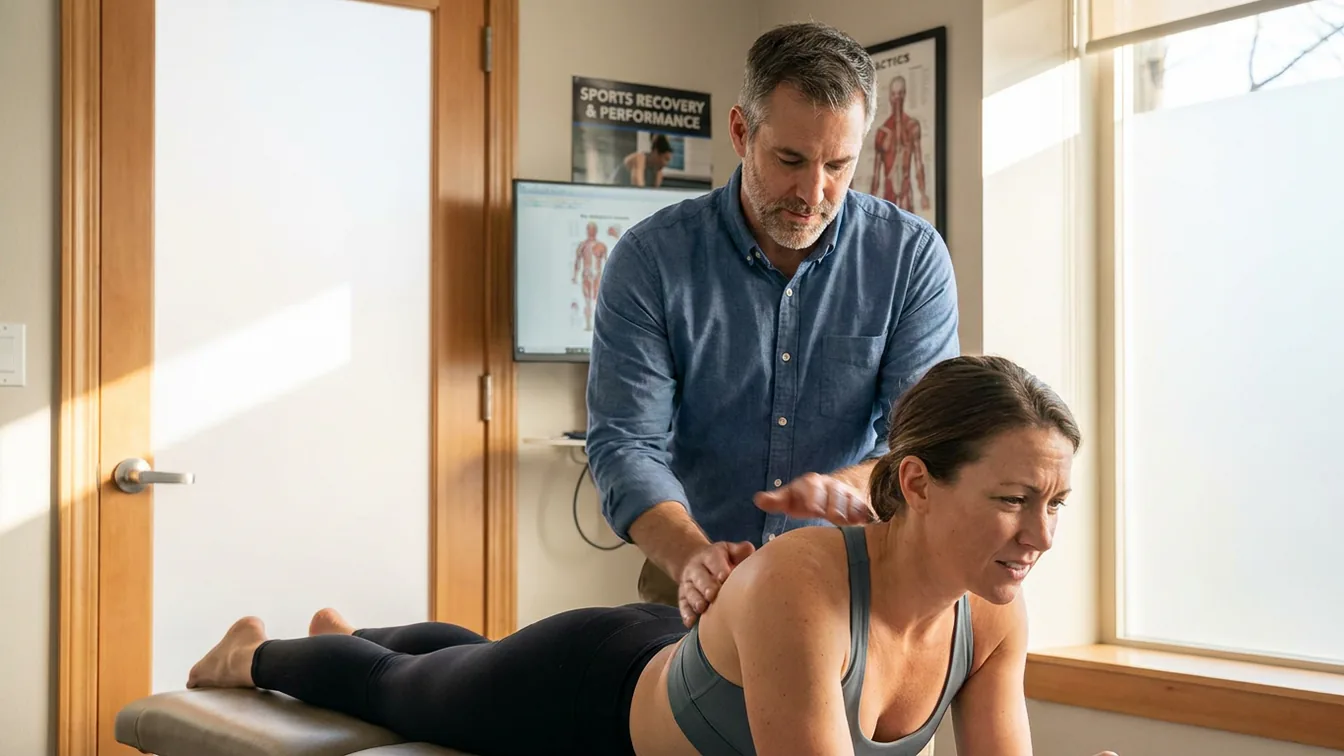
Knee pain has a way of taking over your day. It can turn a simple walk along the Susquehanna, a trip up the stairs, or an afternoon in the garden into something you dread. If you have tried rest, ice, over-the-counter medication, and stretching without lasting relief, you may be looking for a gentler, non-drug option. One that is gaining attention is pulsed electromagnetic field therapy, commonly called PEMF therapy.
So can PEMF therapy help with knee pain? The honest answer is that it may help many people, especially those with osteoarthritis-related discomfort, but it is not a magic fix. In this article, we will explain what PEMF is, what the research suggests, who may benefit, and how to make the most of it as part of a complete care plan.
What Is PEMF Therapy and How Does It Work?
PEMF stands for pulsed electromagnetic field. A PEMF device sends low-frequency electromagnetic pulses through the body's tissues. These pulses are painless, and most people feel only a mild tingling or gentle warmth, or nothing at all. The therapy is non-invasive, drug-free, and does not involve needles or incisions.
The idea behind it is that cells in your body respond to electrical and magnetic signals. Every cell has an electrical charge, and healthy cells maintain a certain energy balance. When tissue is injured, inflamed, or worn down, that cellular environment can become disrupted. PEMF is thought to help support the cell's natural function in several ways:
- Calming inflammation: Some studies suggest PEMF may influence inflammatory signaling in joint tissues, which could ease swelling and stiffness.
- Improving circulation: Pulsed fields may encourage blood flow and oxygen delivery to the treated area, which supports the body's natural repair process.
- Supporting cartilage and bone cells: Laboratory research suggests PEMF may encourage activity in cartilage cells (chondrocytes) and bone cells, both important for knee health.
- Modulating pain signals: Some researchers believe PEMF may influence how nerves transmit pain, which could reduce the intensity of discomfort.
PEMF is not brand new. Devices that use pulsed electromagnetic fields have been cleared by the U.S. Food and Drug Administration for specific uses, such as helping stubborn bone fractures heal. Research into its role for joint pain and arthritis has grown steadily over the past few decades.
What Does the Research Say About PEMF for Knee Pain?
It helps to be realistic here. PEMF is not a cure for knee problems, and study results vary depending on the device, the strength and frequency of the pulses, the length of treatment, and the condition being studied. Still, the findings are encouraging for certain groups.
The strongest body of evidence involves knee osteoarthritis, the "wear and tear" type of arthritis that affects millions of American adults. Several clinical trials and reviews of multiple studies have found that people with knee osteoarthritis who used PEMF therapy reported modest improvements in pain and physical function compared with those who received a placebo treatment. Some participants also noticed less stiffness and found daily movements easier.
A few important points to keep in mind:
- Results are usually modest, not dramatic. Many people notice a meaningful improvement, but few experience total pain elimination.
- Consistency matters. Benefits tend to build over multiple sessions rather than appearing after a single visit.
- Not everyone responds the same way. Age, activity level, the severity of joint changes, and overall health all play a role.
- More high-quality research is still needed. Researchers are working to determine the ideal settings and protocols for different knee conditions.
PEMF is generally considered safe for most people, and side effects are uncommon. Some people report mild fatigue, a temporary change in their usual aches, or lightheadedness after a session. However, PEMF is not appropriate for everyone. It is typically avoided for people with pacemakers or other implanted electronic devices, and for those who are pregnant. People with active cancer, bleeding disorders, or seizure conditions should speak with their medical provider first. A thorough health history is an essential first step before starting any new therapy.
Common Misconceptions About PEMF Therapy
Because PEMF is promoted widely online, it is easy to find claims that sound too good to be true. Here are a few misunderstandings worth clearing up.
"PEMF is the same as radiation." PEMF uses low-frequency, non-ionizing fields, which are very different from the ionizing radiation used in X-rays. The energy levels involved are low and are not known to damage tissue.
"PEMF will regrow my cartilage." Current evidence does not show that PEMF can fully rebuild worn-out cartilage in a human knee. It may support a healthier joint environment and reduce symptoms, but it should not be viewed as a way to reverse advanced joint damage.
"One session should fix everything." Chronic knee pain usually develops over months or years, and it rarely resolves in a single visit. A realistic care plan involves a series of sessions and complementary strategies.
"PEMF replaces other care." The best results typically come when PEMF is part of a broader approach. It works best alongside movement, strengthening, and attention to the way your whole body is functioning.
Why Knee Pain Is Rarely Just About the Knee
One reason people struggle to find lasting relief is that the knee does not work alone. It sits between the hip and the foot, and problems above or below can place extra stress on the joint. A restricted hip, an unstable pelvis, weak glutes, or a collapsed arch in the foot can all change how force travels through the knee with every step.
This is where a whole-body, chiropractic perspective can be valuable. A careful evaluation may look at:
- How your hips, pelvis, and lower back are moving
- Your gait and posture while standing and walking
- Muscle imbalances and flexibility limitations
- Footwear and foot mechanics
- Past injuries, work demands, and activity habits
PEMF therapy can be a helpful tool for calming irritated tissue, but if the underlying movement pattern stays the same, the knee may keep getting overloaded. Combining PEMF with spinal and extremity adjustments, targeted exercise, and lifestyle guidance gives you a better chance of lasting improvement.
Practical Steps You Can Take for Knee Pain Right Now
Whether or not you try PEMF therapy, there are simple things you can start today to support your knees:
- Keep moving, gently. Low-impact activities like walking, swimming, and cycling nourish the joint. Complete rest often makes stiffness worse.
- Strengthen the supporting muscles. Strong quadriceps, hamstrings, and hip muscles take pressure off the knee. Even simple exercises like bridges and sit-to-stands can help.
- Manage your weight. Every extra pound adds several pounds of pressure on the knees with each step. Even modest weight loss can reduce joint stress.
- Choose supportive footwear. Worn-out shoes can change your mechanics. Cushioned, supportive shoes are especially helpful if you are on your feet all day.
- Use heat and cold wisely. Heat can loosen stiff joints before activity, while ice may help after a flare-up.
- Pay attention to warning signs. Sudden swelling, a knee that locks or gives way, severe pain after a fall, fever, or redness and warmth around the joint should be evaluated promptly.
What to Expect From PEMF Care in Bloomsburg
For Bloomsburg residents who are curious about PEMF, a good first step is a conversation and an exam rather than jumping straight into treatment. At a typical first visit, your provider will review your health history, ask about your pain patterns, and assess how your knee and the surrounding joints move. This helps determine whether PEMF is a good fit and whether other issues need attention.
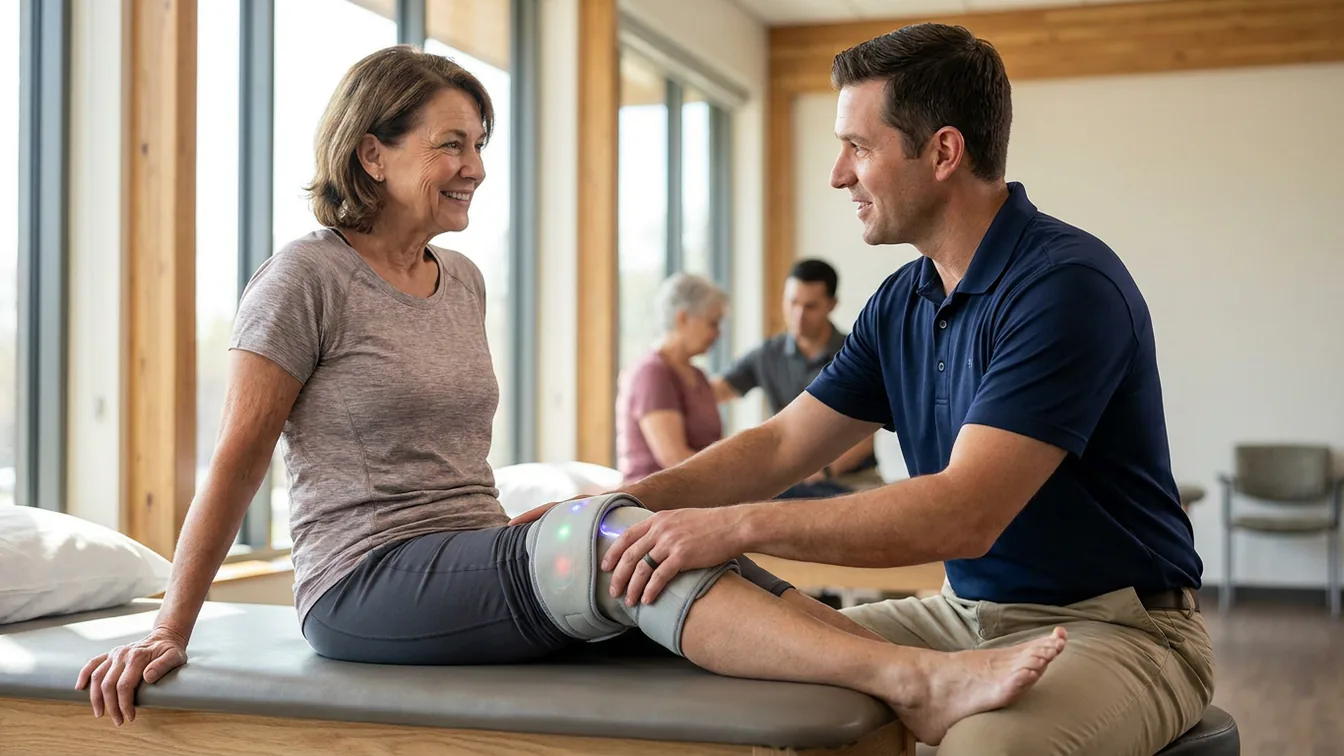
If PEMF is appropriate, a session is usually relaxing. You may sit or lie comfortably while a pad or applicator is placed near your knee. Sessions often last from about 10 to 30 minutes, depending on the device and protocol. Many people receive a series of treatments over a few weeks, followed by an evaluation of how they are responding.
Here in Bloomsburg, many people lead active lives, from farming and landscaping to hiking, running, and coaching youth sports. Knee pain can interfere with all of it. Our goal at Maloney Chiropractic is to help you understand what is driving your discomfort and to build a plan that supports your goals, whether that means playing with your grandkids, staying on your feet at work, or simply walking without worry.
Set realistic expectations as you begin. Track your pain level, stiffness, and activity tolerance over time, since this makes it easier to see progress. Be open with your provider about what is helping and what is not. Good care is a partnership, and adjustments along the way are normal.
Take the Next Step Toward Easier Movement
PEMF therapy is not a cure-all, but for many adults dealing with knee pain, especially from osteoarthritis, it offers a safe, non-invasive option that may reduce discomfort and support better function. When combined with sound movement habits, strengthening, and whole-body chiropractic care, it can be a valuable piece of the puzzle.
You do not have to simply live with knee pain or assume it is an inevitable part of aging. If you are in Bloomsburg or elsewhere in Pennsylvania and want to learn whether PEMF therapy could be right for you, we would be glad to help you explore your options. Schedule a visit with our Bloomsburg clinic to get a thorough evaluation and a personalized plan.
Maloney Chiropractic is located at 1924 Old Berwick Rd, Bloomsburg, PA 17815. Reach out today and take the first step toward moving more comfortably.