Knee pain has a way of taking over your day. It can turn a simple walk, a trip up the stairs, or getting out of the car into something you dread. If you have been living with stiffness, swelling, or an aching joint, you are far from alone. Millions of adults deal with knee discomfort, and many of them want relief without relying only on medication or invasive procedures.
The good news is that there are many natural approaches to managing knee pain, and most of them focus on the root of the problem instead of just masking symptoms. In this guide, we will look at why knees hurt, which strategies you can start at home, how chiropractic care fits in, and when it is time to get a professional opinion. Whether you are a lifelong Bloomsburg resident or new to the area, these ideas can help you move more comfortably.
Understanding Why Your Knees Hurt
Before choosing the right natural approach, it helps to understand what may be behind your discomfort. The knee is a hinge joint that works closely with the hip above it and the ankle and foot below it. Because it carries so much of your body weight, it is especially sensitive to problems elsewhere in the body.
Common contributors to knee pain include:
- Osteoarthritis: Gradual wear of the cartilage that cushions the joint, often causing stiffness that is worst in the morning or after sitting.
- Overuse and strain: Repetitive activity, such as running, kneeling, or climbing, can irritate tendons and surrounding tissues.
- Muscle imbalances: Weak hips, tight hamstrings, or underactive glutes can change how the knee tracks with every step.
- Poor biomechanics: Flat feet, uneven hips, or a misaligned pelvis can place uneven stress on one or both knees.
- Old injuries: A past sprain, meniscus irritation, or fall can leave behind movement patterns that continue to stress the joint.
- Excess body weight: Every extra pound adds several pounds of pressure across the knee with each step.
A common misconception is that knee pain is just a normal part of aging and that you should rest until it goes away. In reality, prolonged rest often makes things worse. Joints are nourished by movement, and inactivity can weaken the muscles that support the knee. Another misconception is that pain always means damage. Sometimes pain reflects irritation, inflammation, or poor movement mechanics that can improve with the right care.
Natural Approaches to Managing Knee Pain at Home
There is a lot you can do on your own to support your knees. Small, consistent habits often matter more than any single dramatic fix. Here are practical strategies to try.
Keep Moving, Gently
Low-impact activity is one of the most effective natural tools for managing knee pain. Movement lubricates the joint, strengthens supporting muscles, and helps control weight. Good options include:
- Walking on flat, even surfaces
- Swimming or water walking, which takes pressure off the joints
- Stationary cycling with the seat set high enough to avoid deep knee bending
- Gentle yoga or tai chi, which build balance and flexibility
Start with 10 to 15 minutes a day and increase gradually. A little muscle awareness is normal, but sharp or worsening pain is a signal to back off.
Strengthen the Muscles Around the Knee
Strong hips, glutes, and thighs act like shock absorbers for your knees. A few simple exercises can make a real difference:
- Straight leg raises: Lie on your back with one knee bent, then lift the opposite straight leg to the height of the bent knee. Hold briefly and lower slowly.
- Glute bridges: Lie on your back with knees bent, then lift your hips while squeezing your glutes.
- Mini squats: Holding a counter for balance, bend your knees only slightly, keeping them in line with your toes.
- Side-lying leg lifts: These target the outer hip muscles that help stabilize the knee.
Aim for two or three sessions per week, doing 8 to 12 repetitions of each exercise. Quality matters more than quantity, so move slowly and with control.
Use Heat and Cold Wisely
Cold packs applied for 10 to 15 minutes can help calm swelling and soreness after activity or a flare-up. Heat, such as a warm towel or heating pad, can relax tight muscles and ease stiffness, especially in the morning. Many people find that alternating the two works well. Always place a cloth between your skin and the pack.
Eat to Support Joint Health
What you eat can influence inflammation throughout your body. While no food is a cure, an anti-inflammatory style of eating may support your joints over time. Consider building meals around:
- Colorful vegetables and fruits, especially berries, leafy greens, and cherries
- Fatty fish such as salmon or sardines, which provide omega-3 fatty acids
- Nuts, seeds, and olive oil
- Herbs and spices like turmeric and ginger
Try to limit highly processed foods, sugary drinks, and excess refined carbohydrates, which can promote inflammation. Staying well hydrated also supports healthy joint tissue. If you are considering supplements, talk with your healthcare provider first, especially if you take medications.
Manage Your Weight and Your Footwear
Even modest weight loss can noticeably reduce the load on your knees. Pair that with supportive, well-cushioned shoes that fit properly. Worn-out footwear can change how force travels up your legs. Here in Bloomsburg, where many of us enjoy walking local trails, a good pair of shoes is a simple investment in your knees.
Pay Attention to Daily Habits
Small adjustments throughout the day add up:
- Avoid sitting for long stretches. Stand and move every 30 to 45 minutes.
- Use your legs and hips when lifting, rather than twisting at the knee.
- Take stairs one at a time if they are painful, leading with your stronger leg going up.
- Avoid prolonged deep kneeling or squatting while your knee is irritated.
- Sleep with a pillow between your knees if you are a side sleeper.
How Chiropractic Care Supports Knee Health
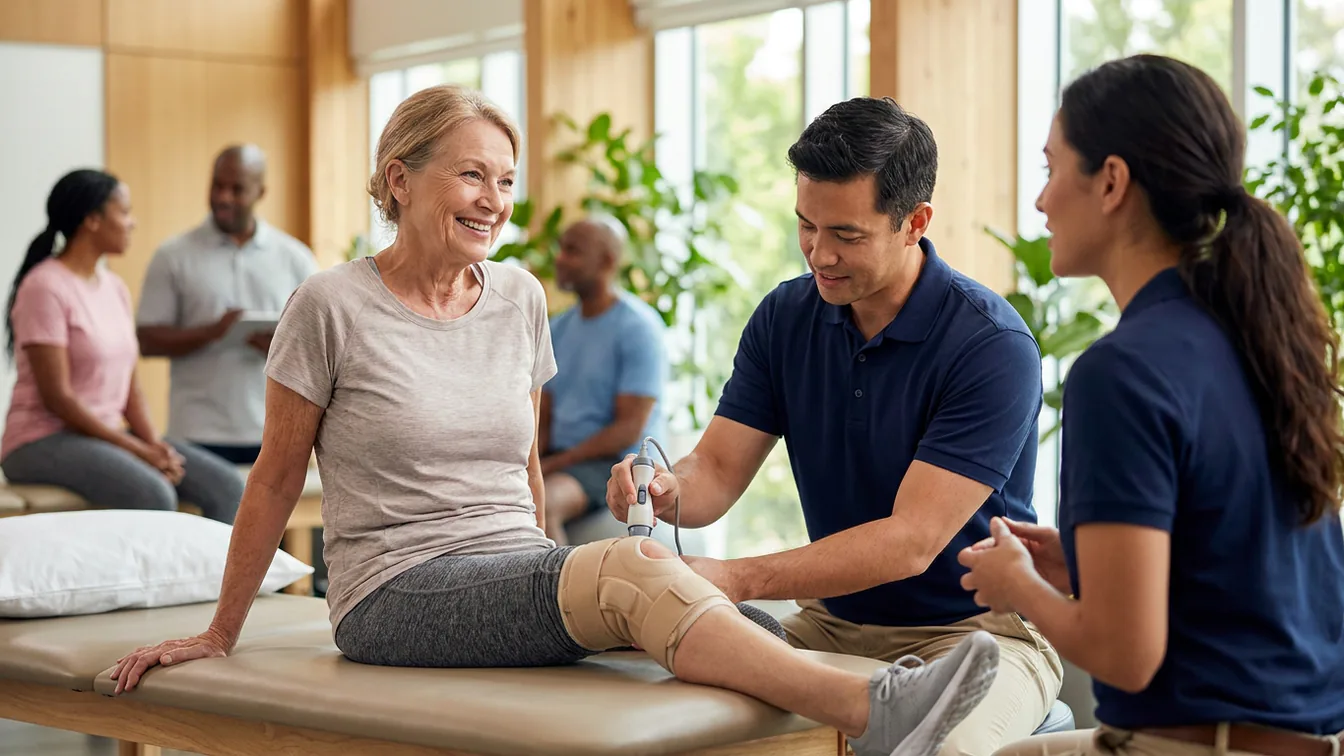
Many people are surprised to learn that chiropractors help with more than back and neck pain. Because the knee depends on the alignment and function of the entire lower body, a chiropractic approach looks beyond the sore spot. If your hips, pelvis, or lower back are not moving well, your knee may be compensating, and that can lead to ongoing irritation.
A chiropractor who focuses on natural, conservative care may use several strategies to help with managing knee pain:
- A thorough evaluation: This includes reviewing your history, observing how you walk and move, and checking joint motion in the spine, pelvis, hips, knees, ankles, and feet.
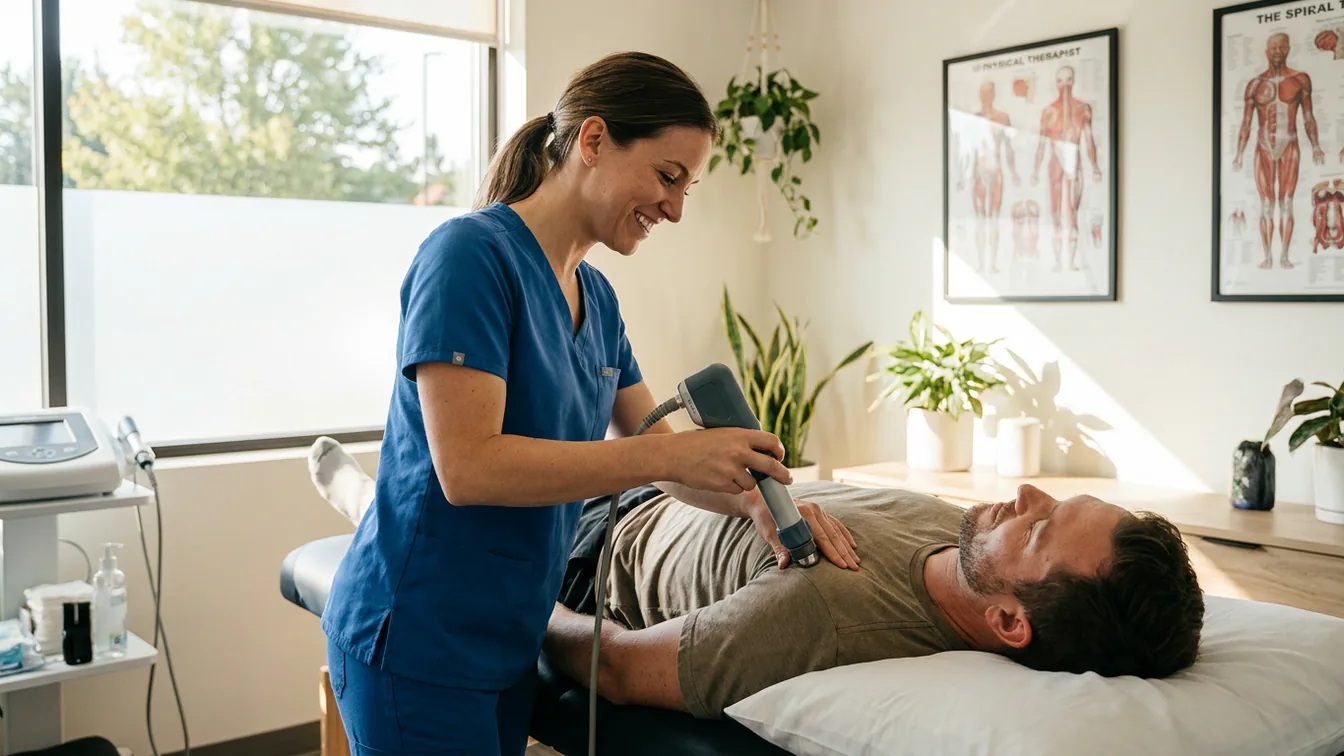
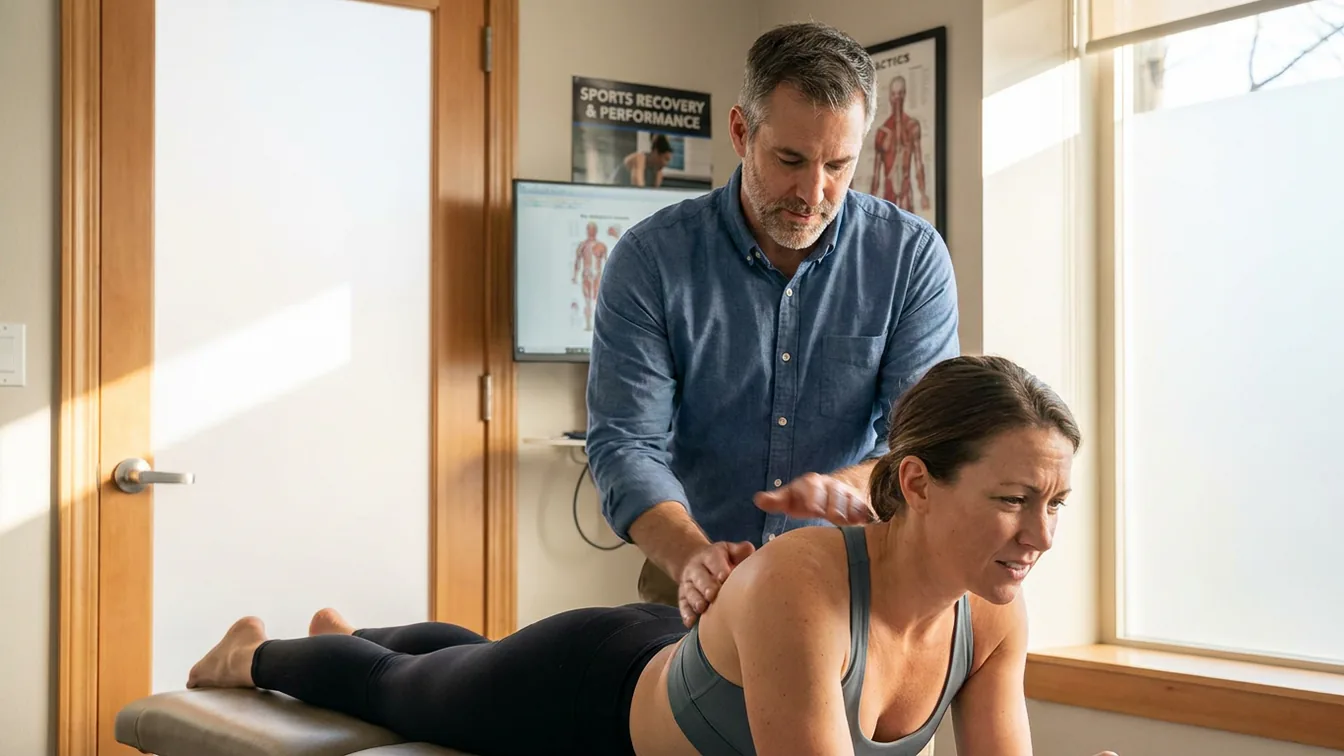
- Joint adjustments and mobilization: Gentle techniques may help restore motion to restricted joints, which can reduce abnormal stress on the knee.
- Soft tissue therapy: Hands-on work can ease tight muscles and fascia around the hips, thighs, and calves.
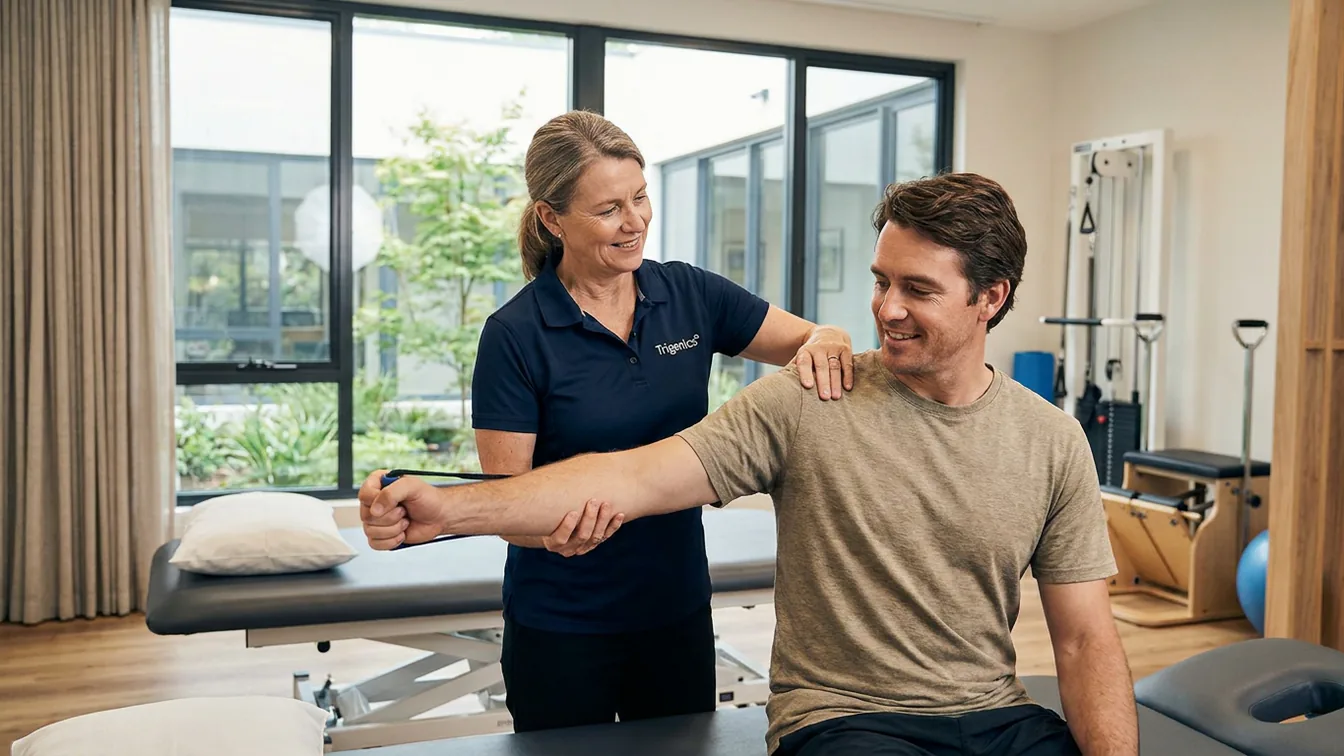
- Targeted exercise and stretching: Personalized rehab exercises help you build strength and stability so improvements last.
- Lifestyle and ergonomic guidance: Advice on footwear, activity modification, and nutrition supports your progress between visits.
The goal is not just to quiet the pain for a day or two but to improve how your body moves so your knees are under less strain. At Maloney Chiropractic, we believe in working with your body's natural ability to heal and in giving patients the knowledge to take an active role in their recovery.
When to Seek Professional Care for Knee Pain
Self-care is valuable, but it has limits. Consider scheduling an appointment if:
- Your pain has lasted more than a couple of weeks without improving
- You notice swelling, warmth, or redness around the joint
- Your knee feels unstable, locks, or gives way
- Pain interferes with sleep or daily activities
- You have had a recent fall or injury
Seek urgent medical attention if you have severe pain after trauma, cannot bear weight, notice obvious deformity, or develop a fever along with a hot, swollen joint. Those signs call for prompt medical evaluation.
The earlier you address the cause of knee pain, the easier it usually is to manage. Waiting until the pain is severe often means a longer road back to comfortable movement. Many Bloomsburg residents tell us they wish they had asked for help sooner, rather than trying to push through the discomfort.
Take the Next Step Toward Comfortable Movement
Knee pain does not have to dictate how you live. By staying active, strengthening the right muscles, eating in a way that supports your joints, and addressing the underlying movement patterns that strain your knees, you can make meaningful progress using natural approaches. Every body is different, so a plan tailored to you will always work better than a one-size-fits-all routine.
If you are ready for personalized guidance, our Bloomsburg clinic is here to help. We take the time to listen, evaluate the whole picture, and create a gentle, effective plan to get you moving again. Neighbors across Pennsylvania trust natural, conservative care to help them stay active, and we would be honored to support you on that path.
Contact Maloney Chiropractic today to schedule a consultation. You can find us at 1924 Old Berwick Rd, Bloomsburg, PA 17815. Your knees carry you through life, and they deserve thoughtful, natural care.