If you're dealing with chronic pain, limited mobility, or sports injuries, you've likely explored various treatment options seeking relief. One innovative therapy that's gaining significant attention in the healthcare community is shockwave therapy – a non-invasive treatment that harnesses the power of acoustic waves to promote natural healing.
Shockwave therapy represents a breakthrough in pain management and tissue regeneration, offering hope to patients who may have exhausted traditional treatment methods. For Bloomsburg residents seeking effective alternatives to surgery or long-term medication use, understanding how this therapy works could be the key to reclaiming an active, pain-free lifestyle.
Understanding Shockwave Therapy: The Science Behind the Treatment
Shockwave therapy, also known as extracorporeal shockwave therapy (ESWT), utilizes high-energy acoustic waves to stimulate healing in damaged tissues. These precisely controlled sound waves penetrate deep into affected areas, triggering the body's natural repair mechanisms without the need for invasive procedures.
The technology behind shockwave therapy originated in the medical field for breaking up kidney stones, but researchers discovered its remarkable ability to promote tissue regeneration and reduce inflammation. Today, this therapy has evolved into a sophisticated treatment modality used by healthcare providers worldwide.
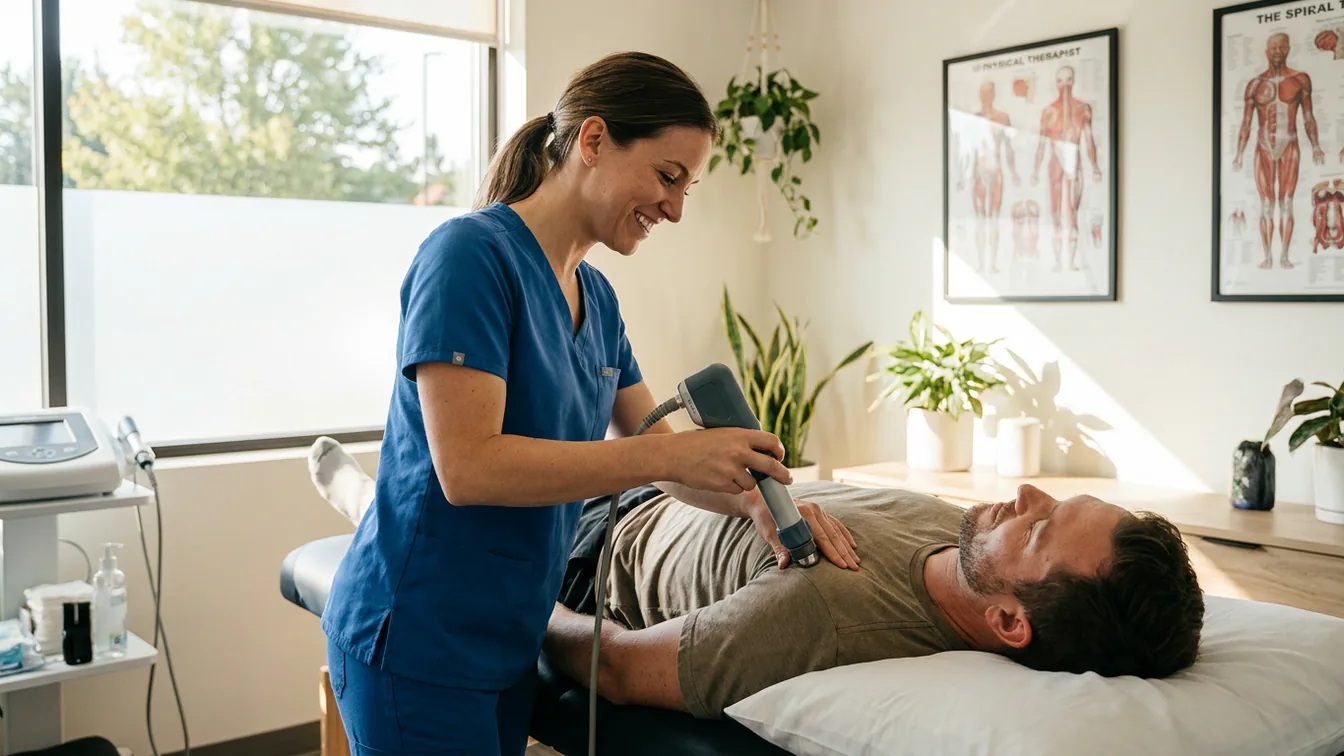
During a shockwave therapy session, a specialized device delivers focused acoustic waves to the treatment area. These waves create microtrauma in the targeted tissues, which may sound counterintuitive, but this controlled stimulation actually jumpstarts the healing process. The therapy increases blood circulation, promotes the formation of new blood vessels, and stimulates the production of collagen – essential proteins that help repair and strengthen damaged tissues.
One of the most compelling aspects of how shockwave therapy works is its ability to break down scar tissue and calcifications that may be impeding natural healing. For many patients in Bloomsburg and throughout Pennsylvania, this means addressing the root cause of their pain rather than simply masking symptoms.
Conditions That Respond Well to Shockwave Therapy
The versatility of shockwave therapy makes it an effective treatment option for numerous musculoskeletal conditions. Understanding which conditions respond best can help you determine if this therapy might be right for your specific situation.
Plantar fasciitis is one of the most successfully treated conditions using shockwave therapy. This painful heel condition affects millions of people and can significantly impact daily activities. The therapy works by breaking down thickened, inflamed tissue in the plantar fascia and stimulating the growth of healthy tissue.
Tendon-related injuries also respond exceptionally well to this treatment. Conditions such as tennis elbow, golfer's elbow, and Achilles tendinopathy can be effectively addressed through shockwave therapy. The acoustic waves help restore proper tendon structure and function by promoting cellular regeneration and reducing chronic inflammation.
For individuals dealing with chronic shoulder pain, including calcific tendinitis and rotator cuff issues, shockwave therapy offers significant benefits. The treatment can break down calcium deposits and scar tissue while improving blood flow to promote healing in these hard-to-reach areas.
Many Bloomsburg residents also find relief from chronic lower back pain through shockwave therapy. While not appropriate for all back conditions, it can be particularly effective for trigger points, muscle spasms, and certain types of chronic pain that haven't responded to conventional treatments.
Bone-related conditions, including delayed fracture healing and stress fractures, may also benefit from this therapy. The mechanical stimulation provided by shockwaves can accelerate bone formation and improve healing outcomes.
The Treatment Experience: What to Expect
Understanding what happens during shockwave therapy can help alleviate any concerns you might have about this innovative treatment. Most patients are pleasantly surprised by how straightforward and comfortable the process actually is.
A typical shockwave therapy session begins with a thorough assessment of your condition and the specific area to be treated. Your healthcare provider will explain how the therapy will work for your particular situation and address any questions you might have.
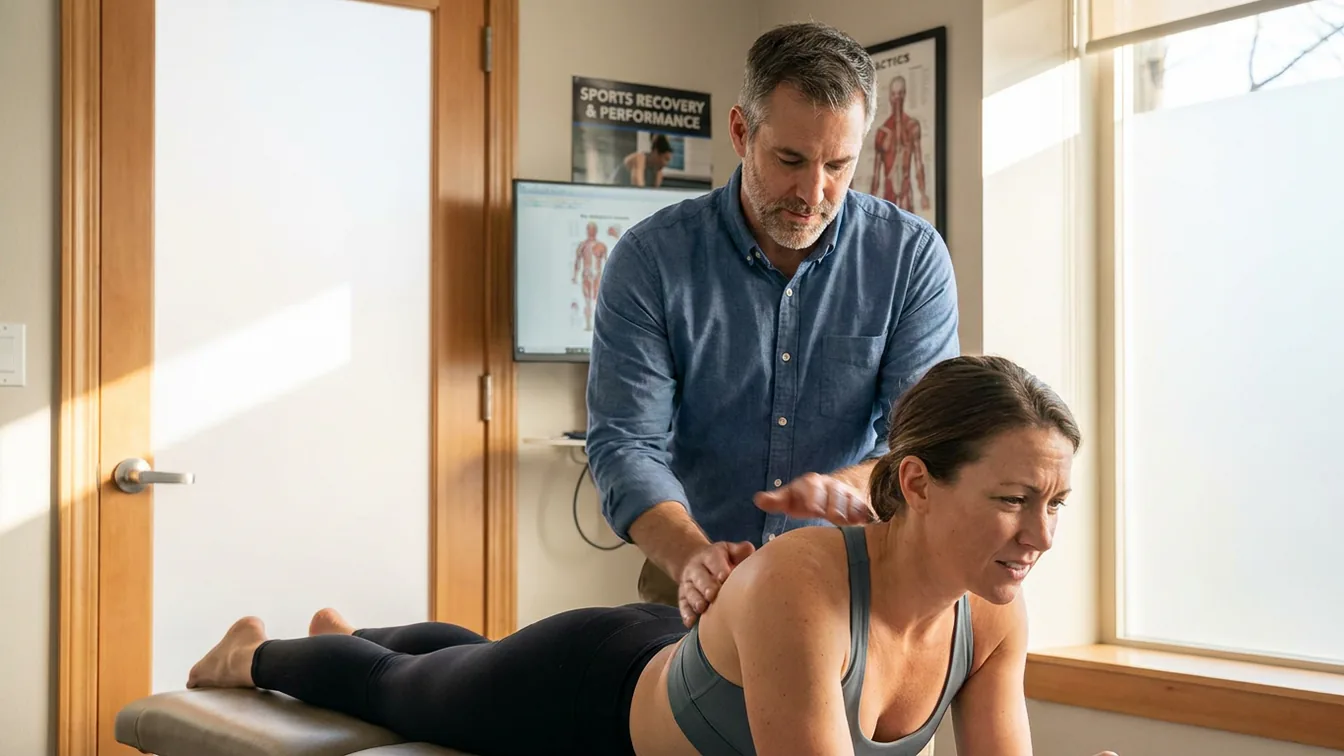
During treatment, you'll be positioned comfortably while the shockwave device is applied to the affected area. A gel is typically used to ensure proper contact between the device and your skin, similar to what you might experience during an ultrasound. The therapy itself usually takes between 10 to 20 minutes, depending on the size and location of the treatment area.
Most patients describe the sensation as tolerable, ranging from mild discomfort to a tapping or pulsing feeling. The intensity can be adjusted based on your comfort level and the specific requirements of your condition. Many people are able to return to their normal activities immediately following treatment.
The number of sessions required varies depending on your condition's severity and how your body responds to treatment. Generally, patients undergo between three to six sessions, spaced approximately one week apart. Some individuals begin experiencing improvement after just one session, while others may notice gradual progress over the course of their treatment plan.
It's important to understand that some patients may experience temporary soreness or mild swelling following treatment. This is actually a positive sign that the therapy is working, as it indicates the body's healing response has been activated.
Benefits and Considerations for Bloomsburg Residents
For residents of Bloomsburg and surrounding areas in Pennsylvania, shockwave therapy offers numerous advantages that make it an attractive treatment option for various pain conditions.
One of the most significant benefits is the non-invasive nature of the treatment. Unlike surgical interventions, shockwave therapy doesn't require incisions, anesthesia, or extended recovery periods. This means you can typically maintain your work schedule and daily activities throughout your treatment course.
The therapy also provides an excellent alternative for individuals who want to avoid long-term medication use. While pain medications can provide temporary relief, they don't address underlying tissue damage and may have side effects with prolonged use. Shockwave therapy actually promotes healing at the cellular level, potentially providing longer-lasting results.
Another advantage is the relatively quick treatment times. In our fast-paced world, finding time for healthcare can be challenging. The brief treatment sessions make it easier to incorporate therapy into busy schedules without major disruptions.
The success rates for shockwave therapy are encouraging, with many studies showing significant improvement in pain and function for various conditions. However, it's important to have realistic expectations and understand that individual results can vary.
Some patients may not be suitable candidates for shockwave therapy. Conditions such as pregnancy, certain heart conditions, blood clotting disorders, or the presence of pacemakers may preclude this treatment option. A thorough evaluation by a qualified healthcare provider is essential to determine if shockwave therapy is appropriate for your specific situation.
It's also worth noting that while many insurance plans are beginning to cover shockwave therapy for certain conditions, coverage can vary. Discussing insurance benefits and treatment costs upfront can help you make an informed decision about pursuing this therapy.
Making an Informed Decision About Your Healthcare
As you consider whether shockwave therapy might be right for you, it's essential to work with experienced healthcare professionals who can properly assess your condition and treatment options. The therapy works best when it's part of a comprehensive treatment plan that may include other therapeutic modalities.
At Maloney Chiropractic, we understand that each patient's journey to wellness is unique. Our team stays current with the latest advances in non-invasive treatments, including shockwave therapy, to provide our patients with the most effective care options available.
If you're dealing with chronic pain or injury that hasn't responded well to conventional treatments, don't let it continue to limit your quality of life. The innovative approach of shockwave therapy might be the solution you've been seeking. We encourage you to explore how this remarkable treatment could work for your specific condition.
Take the first step toward reclaiming your active lifestyle by scheduling a consultation to discuss whether shockwave therapy could be part of your path to recovery. Contact our Bloomsburg clinic at 1924 Old Berwick Rd, Bloomsburg, PA 17815 to learn more about this exciting treatment option and begin your journey toward natural, lasting pain relief.