
Tennis elbow affects millions of people each year, and contrary to its name, you don't have to be a tennis player to develop this painful condition. If you're experiencing persistent elbow pain that radiates down your forearm, you may be dealing with lateral epicondylitis, commonly known as tennis elbow. This comprehensive guide will help Bloomsburg residents understand this condition and explore effective treatment options available right here in Pennsylvania.
Tennis elbow occurs when the tendons that connect your forearm muscles to the outside of your elbow become inflamed or develop small tears due to repetitive motion or overuse. While tennis players are certainly at risk, this condition frequently affects office workers, carpenters, painters, plumbers, and anyone who performs repetitive gripping or twisting motions with their hands and arms.
Understanding Tennis Elbow: Causes and Symptoms
The primary cause of tennis elbow is repetitive stress on the extensor carpi radialis brevis muscle, which helps stabilize the wrist when the elbow is straight. This muscle may also help lift the wrist backward, and when it's weakened from overuse, microscopic tears form in the tendon where it attaches to the lateral epicondyle.
Common activities that can lead to tennis elbow include:
- Repetitive computer mouse use and typing
- Playing racquet sports with poor technique or equipment
- Using tools that vibrate, such as drills or jackhammers
- Painting or carpentry work
- Kitchen work involving repetitive chopping or stirring
- Age-related wear and tear (most common in people 30-50 years old)
The hallmark symptoms of tennis elbow include:
- Pain and burning sensation on the outside of the elbow
- Weak grip strength
- Pain that worsens when gripping objects or twisting the forearm
- Morning stiffness in the elbow
- Pain radiating from the elbow down to the forearm and wrist
- Difficulty performing simple tasks like turning doorknobs or holding coffee cups
Many Bloomsburg residents initially ignore these symptoms, hoping they'll resolve on their own. While mild cases may improve with rest, untreated tennis elbow often becomes chronic and significantly more difficult to treat.
Natural Treatment Approaches for Tennis Elbow
The good news is that tennis elbow responds well to conservative, natural treatment methods when addressed early. Here in Bloomsburg, many healthcare providers emphasize non-invasive approaches that address both the symptoms and underlying causes of the condition.
Rest and Activity Modification The first step in any tennis elbow treatment plan is identifying and modifying the activities that caused the problem. This doesn't necessarily mean complete rest, but rather avoiding the specific motions that aggravate your symptoms. For office workers, this might involve adjusting workstation ergonomics or taking more frequent breaks. For athletes, it may require temporarily reducing training intensity or working with a coach to improve technique.
Ice and Heat Therapy Applying ice to the affected area for 15-20 minutes several times daily can help reduce inflammation and pain, especially during acute flare-ups. After the initial inflammatory phase subsides (usually 48-72 hours), alternating between ice and heat can promote healing. Heat therapy helps increase blood flow to the area, bringing nutrients necessary for tissue repair.
Targeted Stretching and Strengthening Specific exercises play a crucial role in tennis elbow recovery. Gentle stretching of the forearm muscles can help reduce tension, while progressive strengthening exercises rebuild the damaged tendons. Some effective exercises include:
- Wrist extensor stretches: Extend your arm forward with palm down, then use your other hand to gently pull your hand downward
- Eccentric strengthening: Slowly lower a light weight with your wrist in extension
- Grip strengthening: Squeeze a tennis ball or stress ball for 5-10 seconds
- Tendon gliding exercises: Move your fingers through various positions to promote tendon mobility
Ergonomic Improvements For many Bloomsburg residents whose tennis elbow stems from workplace activities, ergonomic modifications are essential. This might include adjusting computer monitor height, using an ergonomic mouse pad, or wearing a supportive brace during repetitive activities.
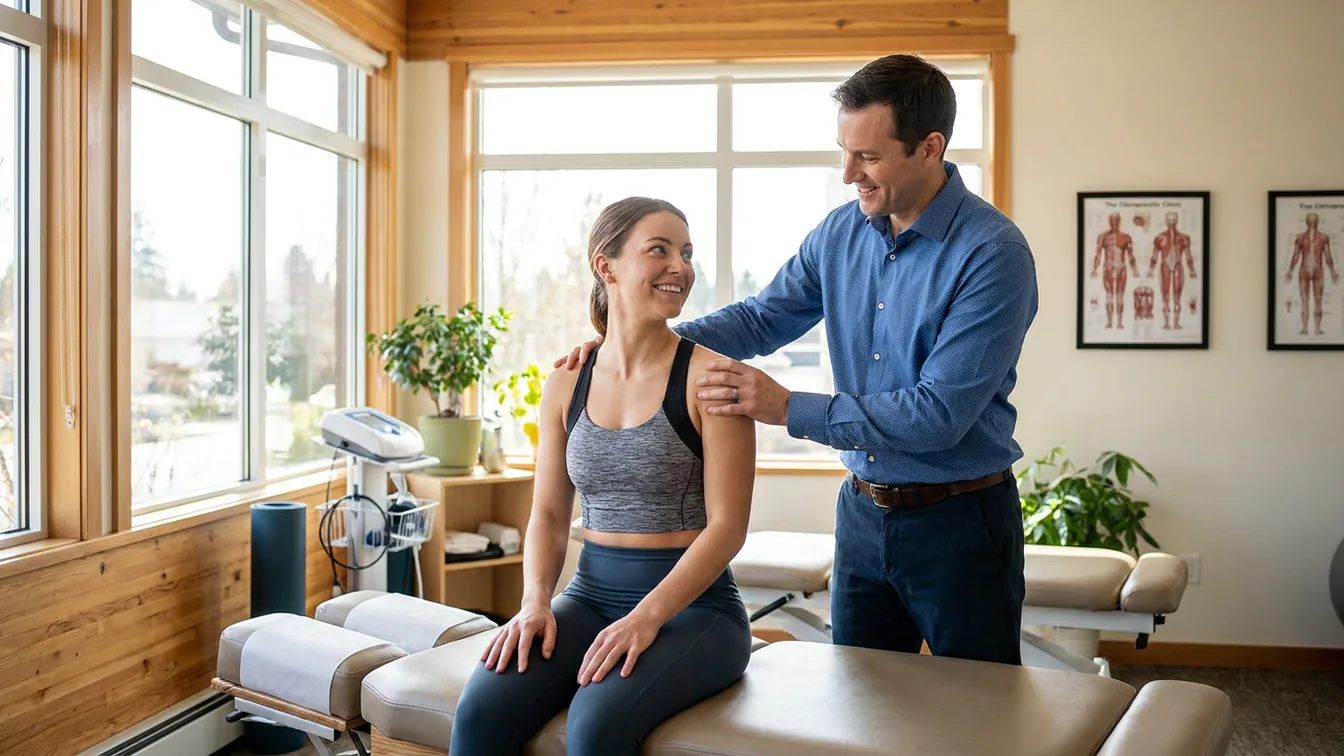
Chiropractic Care and Manual Therapy Chiropractic treatment can be highly effective for tennis elbow by addressing not only the local injury but also any biomechanical issues that may have contributed to the problem. Chiropractors use various techniques including joint mobilization, soft tissue therapy, and spinal adjustments to restore proper movement patterns and reduce stress on the affected tendons.
Professional Treatment Options in Bloomsburg
When self-care measures aren't providing adequate relief, it's time to seek professional help. Bloomsburg offers several healthcare options for tennis elbow treatment, with many practitioners taking a holistic approach to healing.
Chiropractic care stands out as an excellent option for tennis elbow treatment because it addresses the entire kinetic chain rather than just the isolated injury. A chiropractor will evaluate your posture, spinal alignment, and movement patterns to identify any contributing factors. They may also use techniques such as:
- Active Release Technique (ART) to break up scar tissue
- Graston Technique for soft tissue mobilization
- Dry needling to reduce muscle tension and trigger points
- Kinesio taping for support and pain relief
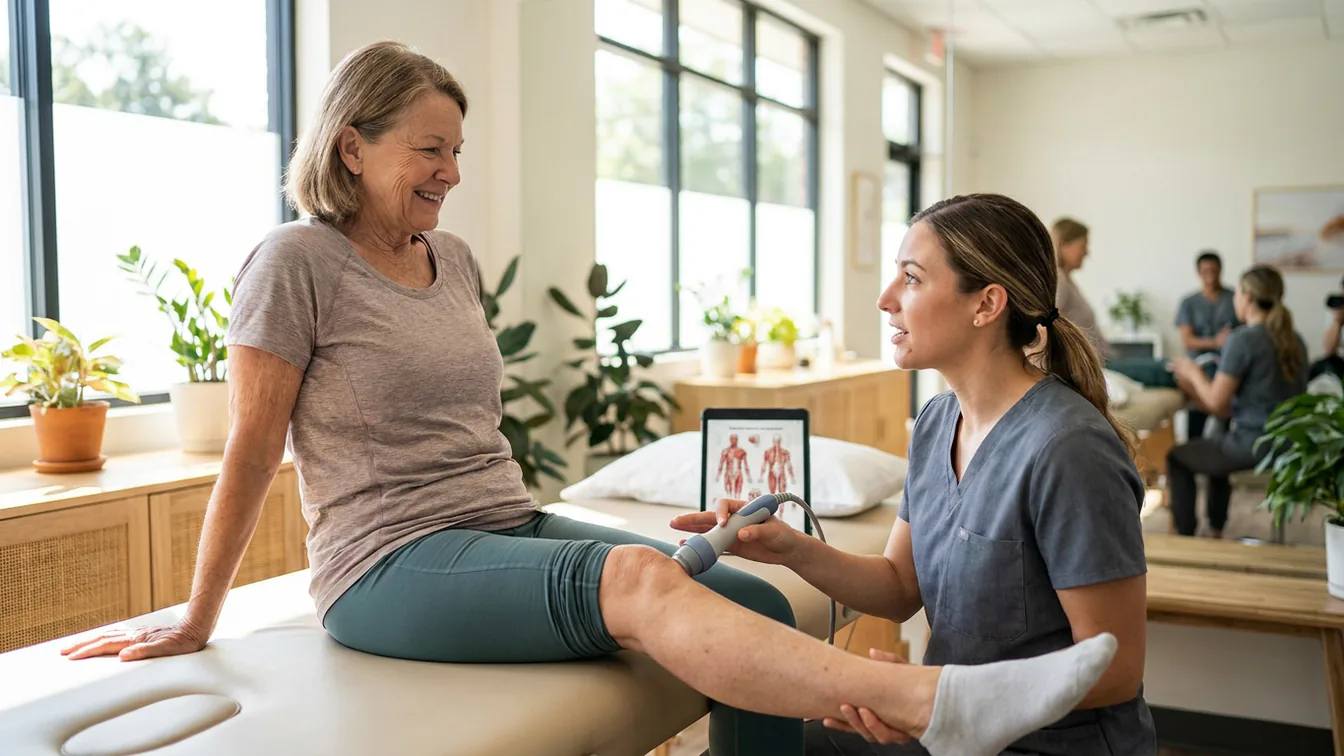
- Ultrasound therapy to promote healing
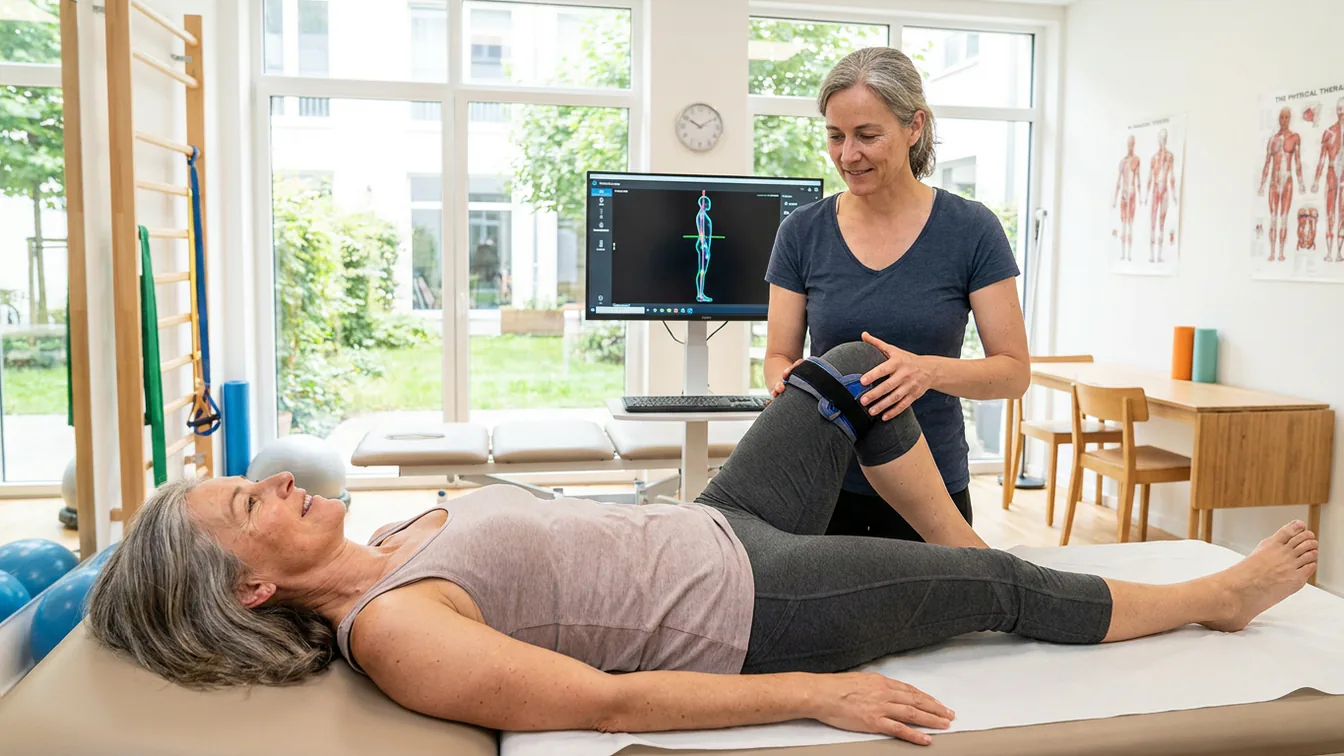
Physical therapy is another valuable treatment option, focusing on corrective exercises, manual therapy, and functional movement training. Some Bloomsburg residents benefit from a collaborative approach involving both chiropractic care and physical therapy.
For more severe cases, medical interventions might include corticosteroid injections or platelet-rich plasma (PRP) therapy. However, these treatments are typically reserved for cases that haven't responded to conservative care.
Prevention Strategies and Long-term Management
Preventing tennis elbow recurrence is just as important as treating the initial injury. Here in Pennsylvania, where many residents work in physically demanding jobs or enjoy outdoor recreational activities, prevention strategies are essential for long-term elbow health.
Workplace Prevention If your tennis elbow developed due to work activities, consider these preventive measures:
- Take regular breaks every 30-60 minutes to stretch and rest your arms
- Maintain proper posture while working
- Use ergonomic tools and equipment when possible
- Alternate tasks to avoid prolonged repetitive motions
- Strengthen your forearm muscles during off-hours
Sports and Recreation Prevention For active Bloomsburg residents who participate in racquet sports or other recreational activities:
- Ensure proper equipment fit and condition
- Work with a qualified instructor to improve technique
- Warm up thoroughly before activity
- Gradually increase training intensity
- Cross-train to avoid overuse of specific muscle groups
General Lifestyle Factors Overall health significantly impacts your body's ability to heal and prevent injuries:
- Maintain good nutrition to support tissue repair
- Stay adequately hydrated
- Get sufficient sleep for optimal recovery
- Manage stress, which can contribute to muscle tension
- Maintain overall fitness and flexibility
When to Seek Professional Help While many cases of tennis elbow respond well to self-care, certain signs indicate the need for professional evaluation:
- Symptoms persist for more than a few days despite rest and self-treatment
- Pain is severe or interferes with daily activities
- You experience numbness or tingling in your hand or fingers
- Your grip strength is significantly reduced
- Symptoms worsen despite appropriate self-care measures
Early intervention typically leads to better outcomes and shorter recovery times. Don't let tennis elbow become a chronic problem that limits your daily activities and quality of life.
If you're dealing with persistent elbow pain and live in the Bloomsburg area, consider consulting with the experienced team at Maloney Chiropractic. Located at 1924 Old Berwick Rd, Bloomsburg, PA 17815, they offer comprehensive evaluation and treatment for tennis elbow using natural, evidence-based approaches. Their holistic treatment philosophy focuses on not just relieving your current symptoms but also preventing future recurrences by addressing underlying biomechanical issues. Remember, the sooner you address tennis elbow symptoms, the more effective treatment tends to be.