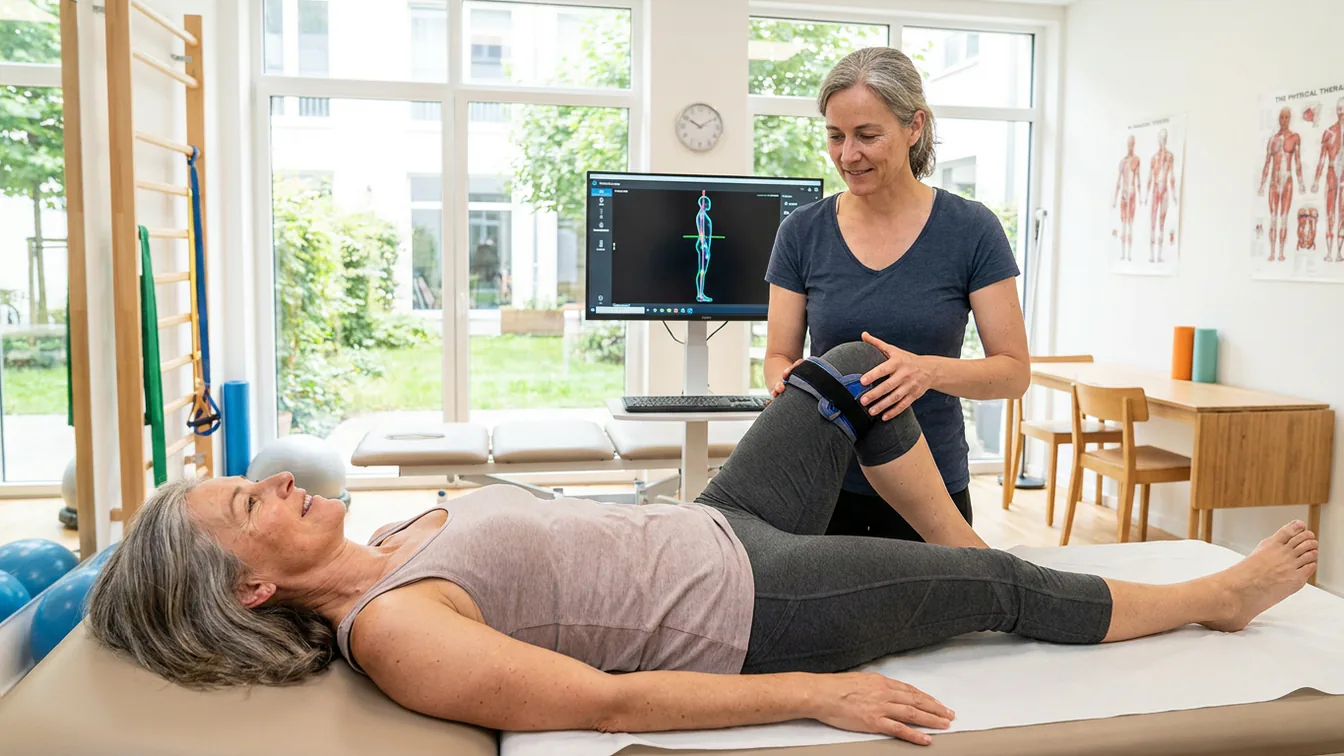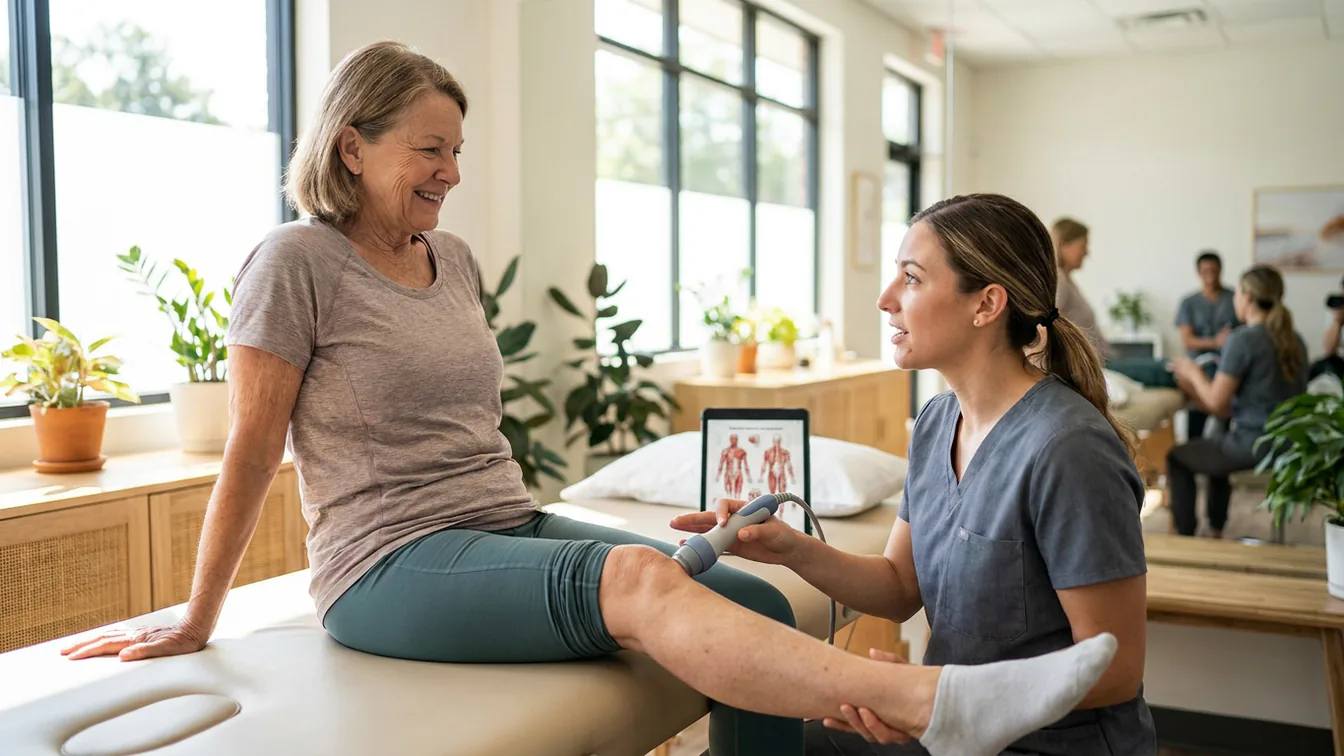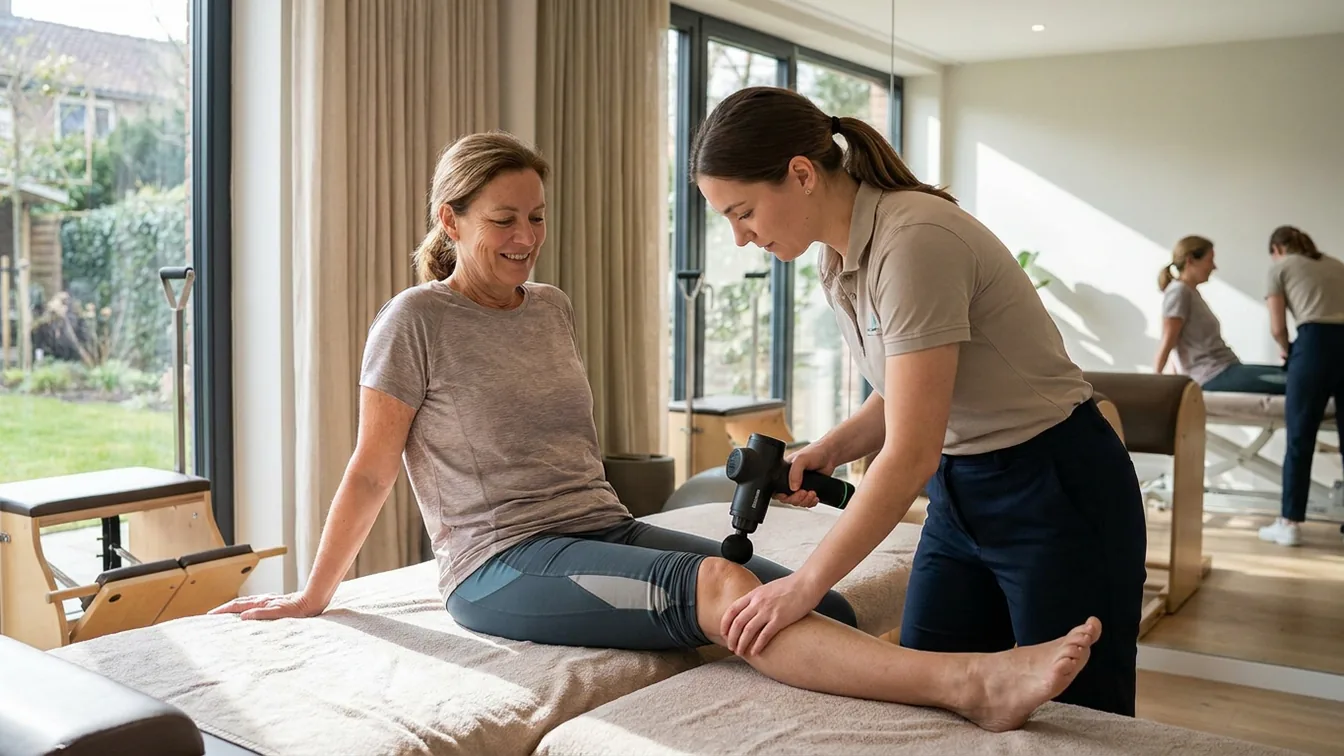
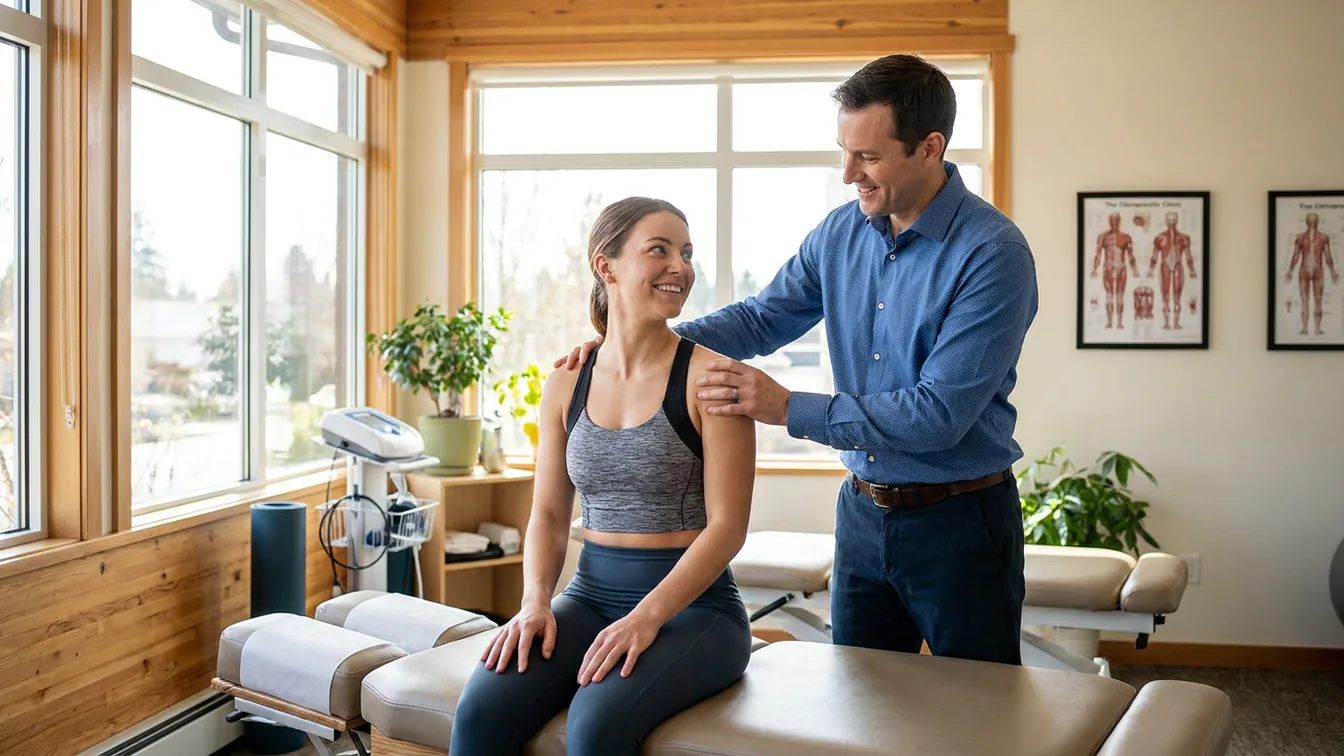
If you're scheduled for an extremity adjustments appointment, you're taking an important step toward addressing pain and dysfunction in your arms, legs, hands, feet, or other non-spinal joints. Unlike traditional spinal adjustments, extremity adjustments focus on the joints outside your spine, helping restore proper movement and function to areas that may be causing you discomfort or limiting your daily activities.
Many Bloomsburg residents are discovering the benefits of extremity adjustments for conditions ranging from shoulder impingement and tennis elbow to ankle sprains and knee pain. However, knowing how to properly prepare for your appointment can make a significant difference in both your comfort during treatment and the effectiveness of your care.
Understanding What to Expect During Your Extremity Adjustment
Before diving into preparation strategies, it's helpful to understand what extremity adjustments involve. During your appointment, your chiropractor will perform targeted manipulations on joints in your arms, legs, hands, feet, ribs, or jaw, depending on your specific condition. These adjustments use controlled force to restore proper joint mechanics, reduce pain, and improve range of motion.
Unlike spinal adjustments, extremity work often requires more precise positioning and may involve different techniques such as mobilization, soft tissue work, or instrument-assisted manipulation. Your practitioner might also incorporate stretching, strengthening exercises, or other therapeutic modalities as part of your comprehensive treatment plan.
To prepare effectively for your extremity adjustments appointment, start by gathering all relevant medical information. This includes any previous imaging studies like X-rays, MRIs, or CT scans related to your condition. If you've seen other healthcare providers for your extremity issue, bring copies of their reports or treatment notes. This comprehensive medical history helps your chiropractor understand the full scope of your condition and develop the most appropriate treatment approach.
Document your symptoms thoroughly before your appointment. Keep a brief journal for several days noting when your pain or dysfunction is worst, what activities aggravate your symptoms, and what provides relief. Note the intensity of your pain on a scale of 1-10 throughout different times of day. This information provides valuable insights that can guide your treatment plan.
Physical and Practical Preparation Steps
What you wear to your extremity adjustments appointment can significantly impact your treatment experience. Choose loose-fitting, comfortable clothing that allows easy access to the area being treated. For upper extremity issues involving shoulders, arms, or hands, wear a tank top or loose short-sleeved shirt. For lower extremity problems affecting hips, knees, ankles, or feet, opt for shorts or loose pants that can be easily rolled up.
Avoid wearing jewelry, watches, or accessories near the treatment area, as these may need to be removed during your appointment. If you're being treated for foot or ankle issues, wear shoes that are easy to remove and put back on.
Hydration plays a crucial role in joint health and treatment effectiveness. Drink plenty of water in the 24 hours leading up to your appointment to ensure your tissues are well-hydrated. This can help reduce muscle tension and make adjustments more comfortable. However, avoid excessive fluid intake immediately before your appointment to prevent discomfort during treatment.
Consider your activity level in the days before your appointment. While you shouldn't completely avoid movement, try to avoid activities that significantly aggravate your symptoms. If you must engage in activities that worsen your condition due to work or other obligations, make note of this to discuss with your practitioner.
Many Bloomsburg patients find it helpful to apply ice to acutely inflamed areas or heat to chronically tight muscles about 15-20 minutes before leaving for their appointment. However, check with your chiropractor's office first, as some practitioners prefer to assess your condition without recent ice or heat application.
Mental and Emotional Preparation Strategies
Preparing mentally for your extremity adjustments appointment is just as important as physical preparation. If you're anxious about the treatment, this tension can make adjustments more difficult and less comfortable. Practice relaxation techniques such as deep breathing exercises or progressive muscle relaxation in the days leading up to your appointment.
Educate yourself about extremity adjustments, but be cautious about information sources. Stick to reputable medical websites and avoid horror stories or exaggerated claims on social media. Understanding that extremity adjustments are generally gentler than spinal manipulations can help ease anxiety for first-time patients.
Prepare a list of questions to ask during your appointment. This might include inquiries about your prognosis, expected number of treatments, home care recommendations, or activity modifications. Having these questions written down ensures you won't forget important concerns during your visit.
Set realistic expectations for your treatment. While some patients experience immediate relief, others may need several sessions to see significant improvement. Extremity conditions often develop over time and typically require a comprehensive approach including adjustments, exercises, and lifestyle modifications.
Consider arranging transportation if you're unsure how you'll feel after treatment. While most patients drive themselves home without issues, having a backup plan can provide peace of mind, especially for your first appointment.
Optimizing Your Treatment Experience
Arrive at your appointment well-rested and having eaten a light meal 1-2 hours beforehand. Avoid heavy meals immediately before treatment, as lying in various positions during adjustments can be uncomfortable on a full stomach. Similarly, don't arrive on an empty stomach, as this can lead to lightheadedness during or after treatment.
Bring a complete list of current medications, supplements, and any over-the-counter pain relievers you've been taking for your condition. Some medications can affect how your body responds to treatment or may indicate the need for modified techniques.
If you're visiting Maloney Chiropractic or any other Bloomsburg clinic for the first time, arrive 10-15 minutes early to complete paperwork and familiarize yourself with the office environment. This buffer time helps reduce stress and allows you to start your appointment feeling calm and prepared.
Communicate openly with your practitioner throughout the treatment. Speak up immediately if you experience any discomfort beyond what you'd expect from the adjustment. Your chiropractor can modify their technique or positioning to ensure your comfort while still providing effective treatment.
Don't hesitate to ask for clarification if you don't understand something about your condition or treatment plan. A good practitioner will take time to explain procedures and answer questions, helping you feel more confident about your care.
Plan for post-treatment care by having ice packs available at home and clearing your schedule of strenuous activities for the rest of the day. While many people feel great immediately after extremity adjustments, others may experience temporary soreness as their body adapts to improved joint function.
For Bloomsburg residents seeking natural pain relief and improved function, extremity adjustments can be an excellent treatment option. However, proper preparation significantly enhances your treatment experience and outcomes. By following these guidelines and maintaining open communication with your healthcare provider, you're setting yourself up for the most successful possible results.
If you're ready to experience the benefits of professional extremity adjustments, consider scheduling an appointment with qualified practitioners who understand the unique needs of Pennsylvania residents. Contact Maloney Chiropractic at 1924 Old Berwick Rd, Bloomsburg, PA 17815 to discuss how extremity adjustments might help address your specific condition and improve your quality of life.