When knee pain strikes, most people immediately think about the knee itself – perhaps an old injury, arthritis, or overuse from exercise. However, what many Bloomsburg residents don't realize is that the root cause of their persistent knee discomfort might actually stem from something seemingly unrelated: their posture. Understanding how posture correction provides lasting relief for knee pain can be the key to finally breaking free from chronic discomfort and returning to an active, pain-free lifestyle.
The intricate connection between posture and knee health lies in the body's kinetic chain – a complex system where every joint and muscle group influences the others. When your posture is misaligned, it creates a domino effect that travels down through your body, ultimately placing excessive stress on your knees. This relationship explains why traditional treatments that focus solely on the knee often provide only temporary relief, while addressing the underlying postural issues can deliver the lasting results you've been seeking.
The Hidden Connection Between Posture and Knee Pain
Your body functions as an integrated system where proper alignment is crucial for optimal function. When you maintain good posture, your weight is evenly distributed across your joints, allowing your muscles to work efficiently and your bones to bear load as they were designed to do. However, when posture becomes compromised – whether from prolonged sitting, poor ergonomics, or muscle imbalances – this delicate balance is disrupted.
Consider what happens when you develop forward head posture, a common issue among Pennsylvania residents who spend long hours at computers. As your head moves forward, your upper back rounds, your shoulders roll inward, and your pelvis tilts. This seemingly minor change in your upper body creates compensatory patterns throughout your entire kinetic chain. Your hip muscles must work differently to maintain balance, which alters the angle at which your thighbone meets your shinbone at the knee joint.
These altered mechanics mean that with every step you take, your knees are subjected to forces they weren't designed to handle. Instead of absorbing impact efficiently, certain areas of the knee joint bear disproportionate loads, leading to inflammation, pain, and eventually degenerative changes. The tragedy is that many people endure this discomfort for years, trying various treatments that address the symptoms without recognizing the postural root cause.
Another critical factor is pelvic alignment. When your pelvis tilts forward or backward due to tight hip flexors or weak glutes – conditions that often develop from prolonged sitting – it changes the angle of your entire leg. This altered position affects how your kneecap tracks over your knee joint during movement, potentially causing it to rub against surrounding tissues and create the grinding, aching sensation that brings many patients to our Bloomsburg clinic seeking relief.
Evidence-Based Approaches to Postural Correction
Effective posture correction requires a comprehensive approach that addresses both the structural and functional aspects of alignment. Rather than simply telling you to "stand up straight," evidence-based correction focuses on identifying and addressing the specific muscle imbalances and movement patterns that contribute to your postural dysfunction.
The first step involves a thorough assessment of your current posture and movement patterns. This evaluation examines how you stand, sit, walk, and perform daily activities, identifying areas where your alignment deviates from optimal positioning. Common findings include anterior pelvic tilt, where tight hip flexors pull your pelvis forward; posterior pelvic tilt, often caused by tight hamstrings; and lateral pelvic tilts that create uneven leg lengths and asymmetrical knee loading.
Once these imbalances are identified, a targeted correction program can begin. This typically involves three key components: mobility work to address tight, shortened muscles; strengthening exercises for weak, lengthened muscles; and neuromuscular re-education to help your body learn and maintain new, healthier movement patterns.
Mobility work might include targeted stretching for your hip flexors, which often become tight from prolonged sitting and pull your pelvis into anterior tilt. Dynamic stretching exercises and foam rolling can help restore normal length to these muscles, allowing your pelvis to return to a more neutral position. Similarly, addressing tightness in your IT band, calves, and ankle joints can help restore proper alignment throughout your lower extremity.
Strengthening focuses on the muscles that support proper posture but often become weak due to our modern lifestyle. Your glutes, for example, are crucial for maintaining pelvic stability and proper hip mechanics, but they frequently become inhibited in people who sit for extended periods. Targeted glute strengthening exercises not only improve your posture but also help stabilize your pelvis during movement, reducing stress on your knees.
Core strengthening is equally important, as your deep abdominal muscles work in conjunction with your back muscles to maintain spinal alignment and pelvic position. When these muscles function properly, they provide a stable foundation that allows your legs to move efficiently without placing excessive stress on your knees.
Practical Strategies for Daily Posture Improvement
While professional guidance is invaluable for addressing complex postural issues, there are several strategies Bloomsburg residents can implement immediately to begin improving their posture and reducing knee stress. These practical approaches focus on modifying daily habits and incorporating simple exercises that support better alignment.
Workspace ergonomics play a crucial role in maintaining good posture throughout the day. If you work at a desk, ensure your monitor is at eye level to prevent forward head posture, and use a chair that supports the natural curve of your lower back. Your feet should rest flat on the floor with your knees at approximately 90 degrees. Consider using a standing desk converter to alternate between sitting and standing throughout the day, as this variation helps prevent the muscle tightness and weakness that develop from prolonged static positions.
Movement breaks are essential for counteracting the effects of prolonged sitting. Every 30-45 minutes, stand up and perform simple exercises like hip flexor stretches, shoulder blade squeezes, and gentle spinal extensions. These brief interventions help reset your posture and prevent the gradual slouching that occurs throughout the day.
Sleep position also significantly impacts your posture and, consequently, your knee health. Sleeping on your stomach can exacerbate forward head posture and increase lower back extension, while sleeping on your side with a pillow between your knees helps maintain proper spinal and pelvic alignment. If you prefer sleeping on your back, placing a small pillow under your knees can help maintain the natural curve of your lower back.
Incorporating specific exercises into your daily routine can accelerate postural improvements and provide lasting relief for knee pain. Wall slides are excellent for addressing rounded shoulders and forward head posture. Stand with your back against a wall and slowly slide your arms up and down while maintaining contact with the wall, focusing on keeping your head, upper back, and arms touching the surface.
Hip flexor stretches are particularly important for people experiencing knee pain related to anterior pelvic tilt. The couch stretch, where you place your back foot on a couch or chair while lunging forward with your front leg, effectively targets these often-tight muscles. Hold for 30-60 seconds on each side, focusing on keeping your torso upright and your pelvis in a neutral position.
Glute activation exercises help restore function to these important stabilizing muscles. Glute bridges, clamshells, and single-leg deadlifts are all effective options that can be performed at home with minimal equipment. Start with bodyweight versions and gradually progress to more challenging variations as your strength improves.
Professional Care and Long-Term Success
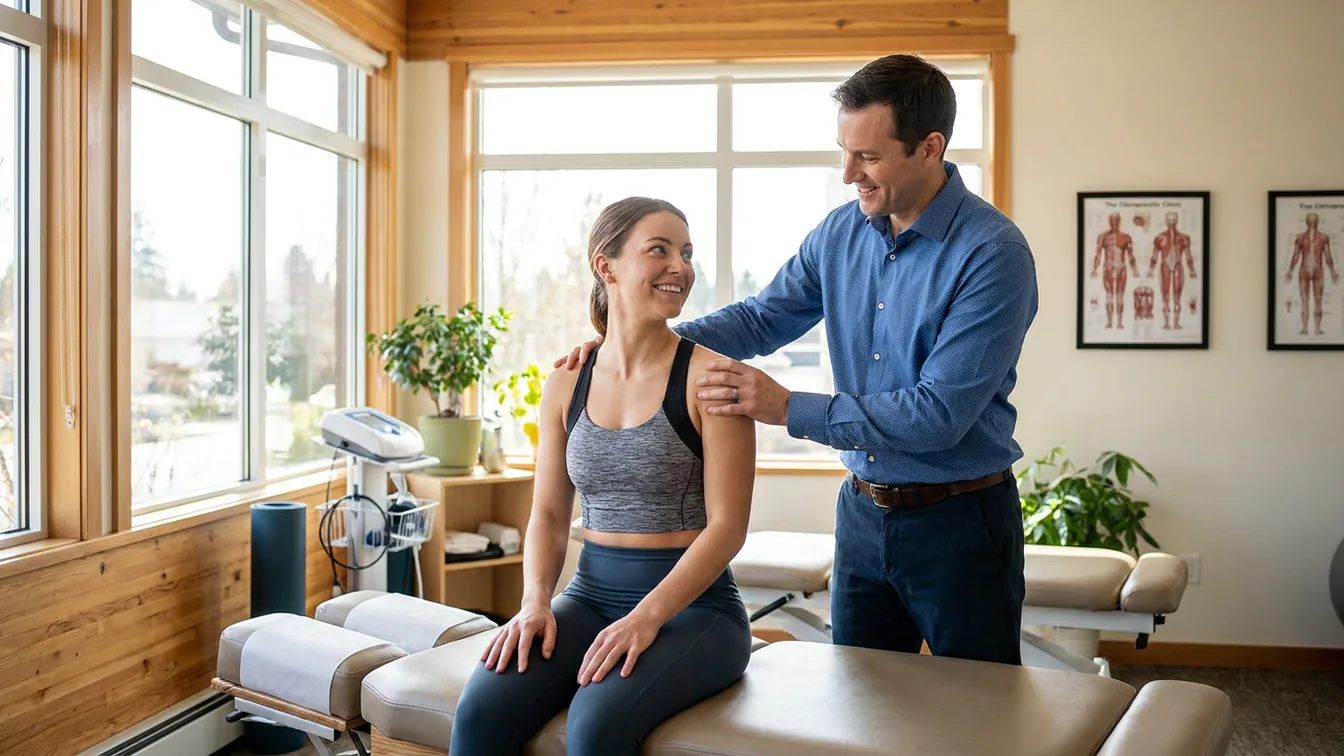
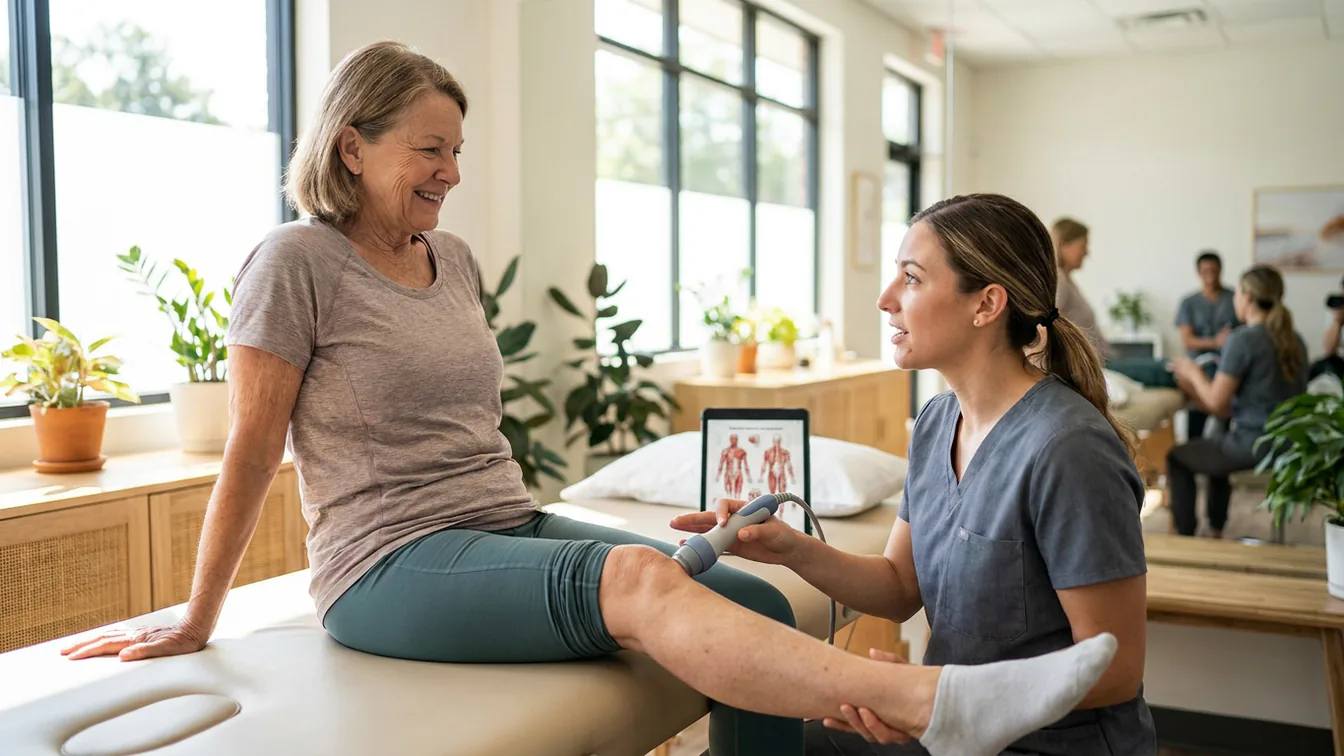
While self-care strategies are valuable, achieving lasting relief from knee pain through posture correction often requires professional guidance. Chiropractors specializing in postural rehabilitation can identify subtle alignment issues that might not be apparent to the untrained eye and develop comprehensive treatment plans that address your specific needs.
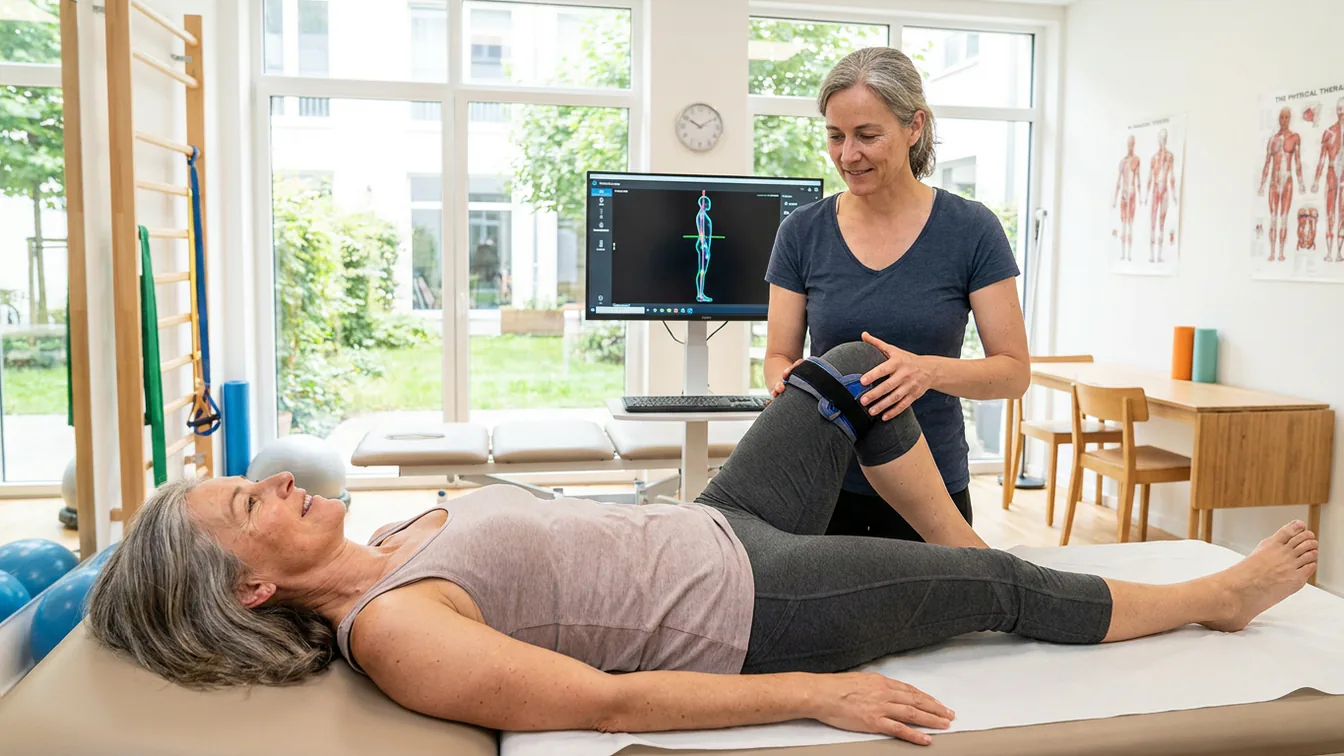
Professional care typically begins with a detailed assessment that examines not only your static posture but also how you move during functional activities. This analysis might reveal compensatory patterns that have developed over years of poor posture, helping explain why your knee pain persists despite previous treatments that focused solely on the knee joint itself.
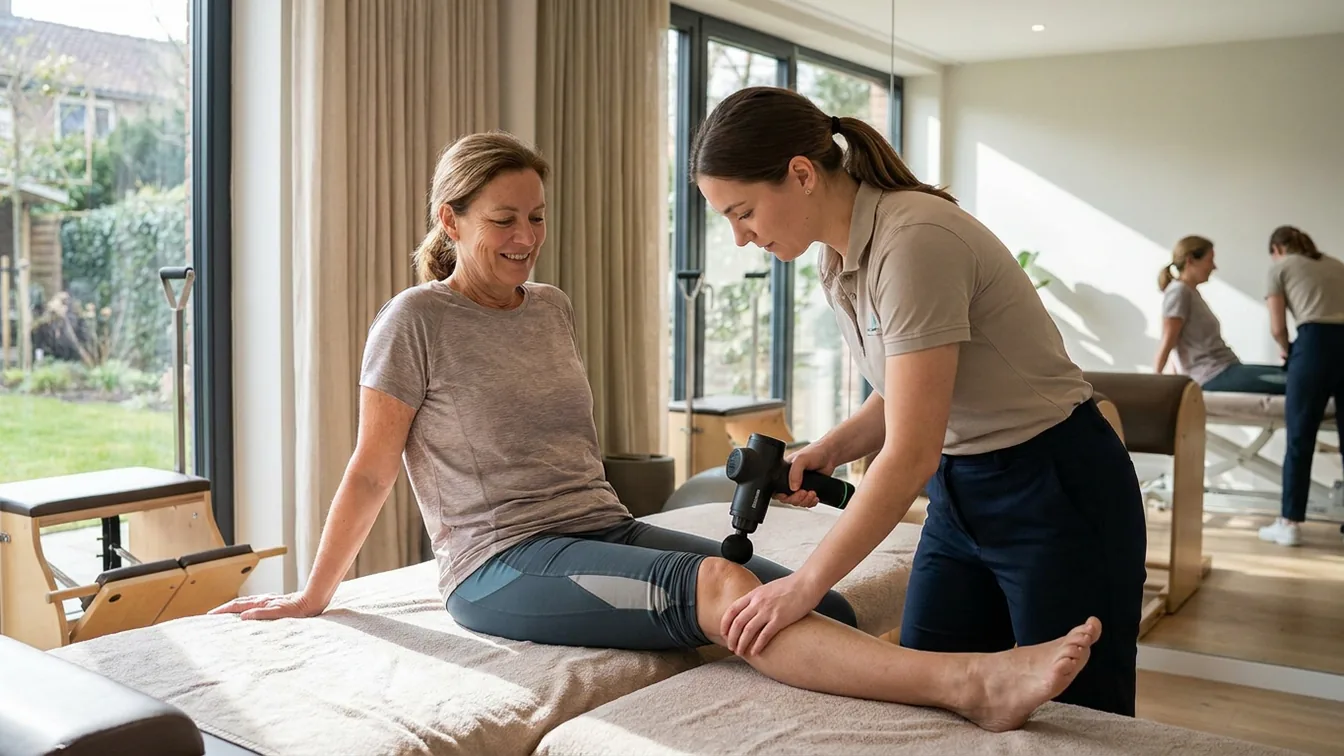
Manual therapy techniques, including spinal adjustments, soft tissue mobilization, and trigger point therapy, can help restore proper joint mobility and muscle function. These interventions work synergistically with exercise therapy to accelerate your progress and ensure that improvements are maintained over time.
Education is another crucial component of professional care. Understanding why your posture affects your knee health empowers you to make informed decisions about your daily activities and helps you recognize early warning signs that might indicate your alignment is deteriorating. This knowledge is invaluable for preventing future episodes of knee pain and maintaining the improvements you achieve through treatment.
Progress monitoring ensures that your treatment plan remains effective and appropriate as your condition improves. Regular assessments allow for adjustments to your exercise program and help identify any barriers to your success. This ongoing support is often the difference between temporary improvement and lasting relief.
The journey to lasting knee pain relief through posture correction requires patience and consistency, but the results can be truly transformative. Many people who have struggled with chronic knee pain for years find that addressing their postural imbalances not only eliminates their knee discomfort but also improves their overall quality of life, energy levels, and ability to participate in activities they love.
If you're tired of managing knee pain rather than eliminating it, consider exploring how posture correction might provide the lasting relief you've been seeking. The team at Maloney Chiropractic, located at 1924 Old Berwick Rd, Bloomsburg, PA 17815, specializes in identifying and treating the postural imbalances that contribute to chronic pain conditions. Through comprehensive evaluation and personalized treatment plans, they help PA residents discover natural, effective solutions for knee pain that address the root cause rather than just masking symptoms. Don't let knee pain continue to limit your life – take the first step toward lasting relief by exploring how proper posture correction could be the key to your recovery.