Knee pain affects millions of people worldwide, impacting daily activities and quality of life. Whether you're experiencing a dull ache after climbing stairs or sharp pain during physical activity, understanding the underlying causes and available treatment options is crucial for finding effective relief. For Bloomsburg residents dealing with knee discomfort, recognizing the symptoms and exploring natural solutions can be the first step toward regaining mobility and comfort.
The knee joint is one of the most complex structures in the human body, bearing significant weight while allowing for intricate movements. When pain strikes, it can stem from various sources, making proper evaluation and understanding essential for effective treatment.
Common Causes of Knee Pain
Understanding the root causes of knee pain is fundamental to developing an effective treatment strategy. The knee joint consists of bones, cartilage, ligaments, tendons, and surrounding muscles, any of which can contribute to discomfort when injured or inflamed.
Osteoarthritis represents one of the most prevalent causes of knee pain, particularly among adults over 50. This degenerative joint disease occurs when cartilage gradually wears away, causing bones to rub against each other. The resulting inflammation and stiffness can significantly impact daily activities, from walking to climbing stairs.
Ligament injuries frequently occur during sports activities or sudden movements. The anterior cruciate ligament (ACL) and medial collateral ligament (MCL) are commonly affected, often resulting from pivoting movements or direct impact. These injuries can cause immediate pain and instability.
Meniscus tears involve the cartilage that cushions the knee joint. These C-shaped pieces of cartilage can tear due to sudden twisting motions or gradual wear over time. Many Bloomsburg residents experience meniscus issues from recreational activities or age-related degeneration.
Patellofemoral pain syndrome, often called "runner's knee," affects the area around the kneecap. This condition commonly develops from overuse, muscle imbalances, or improper alignment of the leg bones. It's particularly prevalent among active individuals and those who spend long periods sitting.
Bursitis occurs when the small fluid-filled sacs that cushion the knee joint become inflamed. This can result from repetitive kneeling, direct trauma, or underlying conditions like arthritis.
IT band syndrome involves inflammation of the iliotibial band, a thick band of tissue running from the hip to the knee. This condition often affects runners and cyclists, causing pain on the outside of the knee.
Postural imbalances and biomechanical issues can also contribute to knee pain. Poor hip mobility, weak glutes, or ankle problems can alter walking patterns and place excessive stress on the knee joint.
Recognizing Key Symptoms and When to Seek Help
Identifying specific symptoms can help determine the underlying cause of knee pain and guide appropriate treatment decisions. Different conditions present with distinct symptom patterns, making careful observation important for proper care.
Pain location and quality provide valuable diagnostic clues. Sharp, stabbing pain often indicates acute injury, while dull, aching discomfort may suggest chronic conditions like arthritis. Pain behind the kneecap typically points to patellofemoral issues, while pain on the inside or outside of the knee might indicate ligament problems.
Swelling and inflammation commonly accompany knee injuries and conditions. Immediate swelling following an injury often suggests significant tissue damage, while gradual swelling may indicate chronic inflammation or overuse.
Stiffness and reduced range of motion can significantly impact daily activities. Morning stiffness that improves with movement often characterizes arthritis, while persistent stiffness throughout the day might indicate more severe joint damage.
Instability or giving way sensations suggest ligament damage or muscle weakness. This symptom can be particularly concerning as it increases the risk of falls and further injury.
Clicking, popping, or grinding sounds may indicate cartilage problems or loose bodies within the joint. While occasional popping is normal, persistent sounds accompanied by pain warrant professional evaluation.
Weakness in the surrounding muscles often develops as a protective response to pain but can perpetuate the problem by reducing joint stability and support.
Certain symptoms require immediate medical attention. These include severe pain following trauma, inability to bear weight, obvious deformity, signs of infection (fever, warmth, redness), or sudden onset of severe swelling. Bloomsburg residents experiencing these symptoms should seek prompt evaluation to prevent complications.
Chronic symptoms that persist despite rest and self-care also warrant professional assessment. Early intervention can prevent minor issues from becoming major problems and help maintain long-term joint health.
Natural and Chiropractic Solutions for Knee Pain Relief
Many individuals seeking alternatives to medication or surgery find significant relief through natural and chiropractic approaches. These methods focus on addressing underlying causes while promoting the body's natural healing processes.
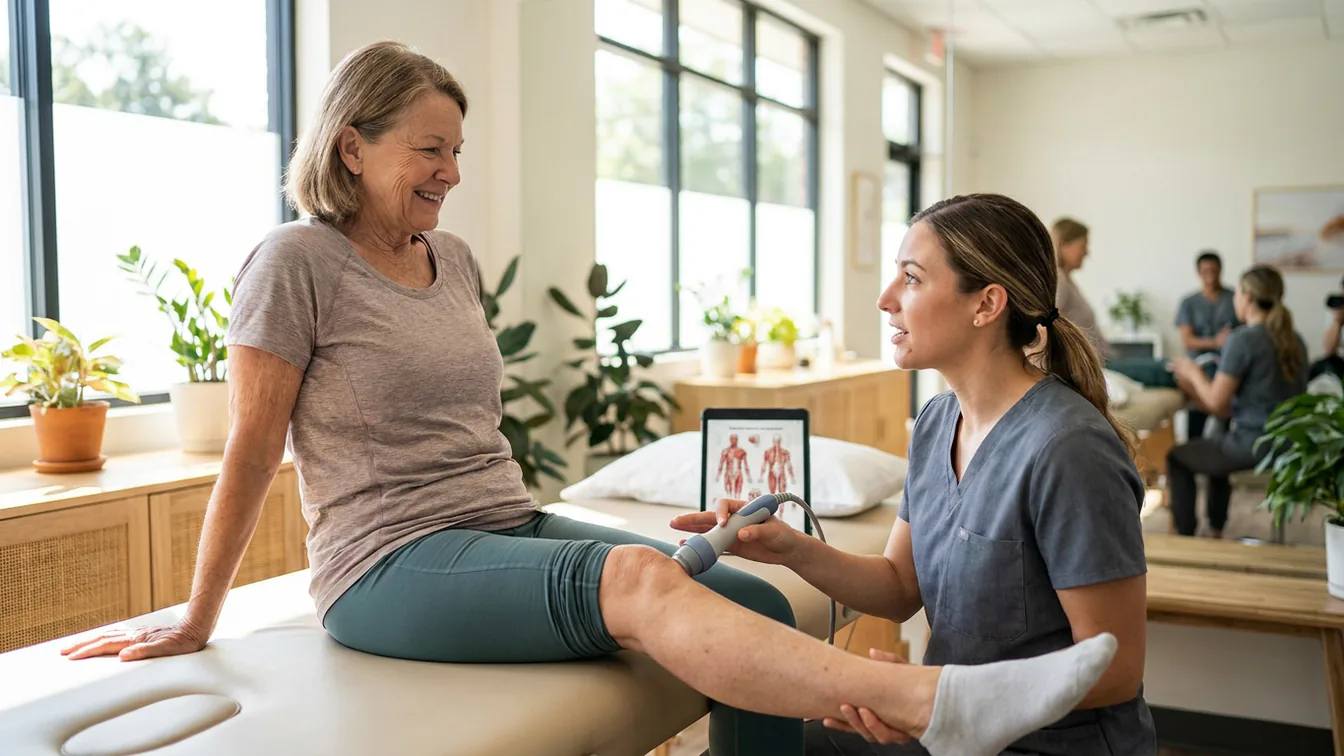
Chiropractic care offers comprehensive evaluation and treatment of knee pain, often addressing contributing factors throughout the kinetic chain. Chiropractors assess posture, gait, and biomechanics to identify areas of dysfunction that may be placing excessive stress on the knee joint.
Spinal alignment plays a crucial role in proper leg mechanics. Misalignments in the pelvis or lower back can alter walking patterns and create compensatory movements that stress the knee. Through gentle adjustments and manipulations, chiropractors can restore proper alignment and reduce mechanical stress on the knee joint.
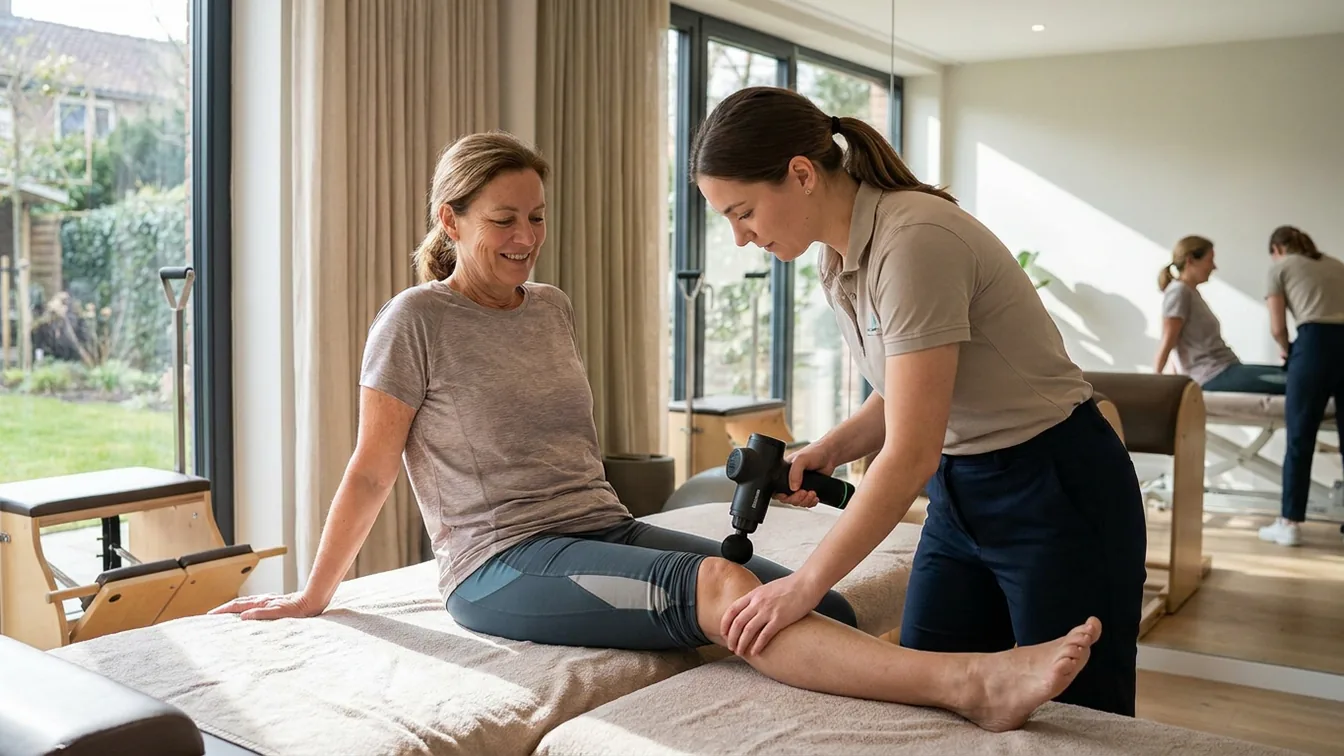
Soft tissue therapies including massage, myofascial release, and trigger point therapy can address muscle tension and restrictions that contribute to knee pain. These techniques help improve blood flow, reduce inflammation, and restore normal muscle function.
Exercise therapy and rehabilitation form cornerstone treatments for knee pain. Strengthening exercises targeting the quadriceps, hamstrings, and hip muscles provide better support for the knee joint. Flexibility exercises help maintain range of motion and prevent stiffness.
Specific exercises beneficial for knee health include straight leg raises, wall sits, hamstring stretches, and calf stretches. These can be performed at home and gradually progressed as strength and flexibility improve.
Cold and heat therapy provide simple yet effective pain relief. Ice application during acute phases helps reduce inflammation and numb pain, while heat therapy can improve circulation and reduce stiffness in chronic conditions.
Lifestyle modifications can significantly impact knee health. Maintaining a healthy weight reduces stress on the joints, while proper footwear provides adequate support and cushioning. Bloomsburg residents who enjoy outdoor activities should ensure they're using appropriate gear and techniques.
Nutritional support through anti-inflammatory foods can help reduce joint inflammation. Omega-3 fatty acids, found in fish and flaxseed, along with antioxidant-rich fruits and vegetables, support overall joint health.
Activity modification doesn't mean complete rest but rather adjusting activities to avoid aggravating factors while maintaining movement. Low-impact exercises like swimming, cycling, or walking can maintain fitness while reducing joint stress.
Prevention Strategies and Long-Term Management
Preventing knee pain is often more effective than treating it after it develops. Understanding risk factors and implementing preventive strategies can help maintain healthy knees throughout life.
Maintaining proper body mechanics during daily activities reduces unnecessary stress on the knee joint. This includes using proper lifting techniques, avoiding prolonged kneeling, and taking breaks during repetitive activities.
Regular exercise that includes both strengthening and flexibility components helps maintain joint health. Focus on exercises that strengthen the muscles supporting the knee while maintaining flexibility in the surrounding tissues.
Weight management significantly impacts knee health, as excess weight increases the load on the joint during weight-bearing activities. Even modest weight loss can provide substantial relief for those experiencing knee pain.
Proper warm-up and cool-down routines before and after physical activities help prepare the muscles and joints for activity and promote recovery afterward.
Gradual activity progression prevents overuse injuries by allowing tissues time to adapt to increased demands. This is particularly important when starting new exercise programs or returning to activity after a period of rest.
Regular professional evaluation can identify potential problems before they become painful. This is especially valuable for active individuals or those with risk factors for knee problems.
For residents of Bloomsburg, PA, seeking comprehensive care for knee pain, professional evaluation can provide personalized treatment plans addressing individual needs and goals. Understanding that knee pain often involves multiple contributing factors, a holistic approach addressing biomechanics, muscle function, and lifestyle factors typically provides the best outcomes.
If you're experiencing persistent knee pain that's affecting your daily activities or quality of life, don't wait for it to worsen. The team at Maloney Chiropractic, located at 1924 Old Berwick Rd, Bloomsburg, PA 17815, specializes in natural approaches to pain relief and can help develop a comprehensive treatment plan tailored to your specific needs. Taking action now can help prevent minor issues from becoming major problems and get you back to the activities you enjoy most.